



Welcome you at Lisbon airport, van trip to the hotel in Peniche area, check-in, free time to sightsee the town and local surf spots, followed by a traditional welcome meal on a local restaurant and return to hotel.
Overnight in Peniche.
Meal included: Lunch or dinner
Peniche has always been deeply connected to the sea, standing as one of Portugal’s largest traditional fishing ports and a key hub for Atlantic maritime activities, both commercial and touristic.
Known for its world-class surf breaks, is a must-visit for any surfer, offering perfect waves that cater to all levels.
Once an island, Peniche was gradually connected to the mainland by natural forces, marking a shift in its maritime role. Strongly tied to the ocean, Peniche built its identity and economy on fishing, with a fish canning industry that has thrived for over two thousand years and remains vital today.
Surrounded by dramatic cliffs, broad beaches, and facing the Berlenga Archipelago, Peniche continues to thrive as a coastal community where the sea and fishing remain at the heart of daily life and cultural heritage.
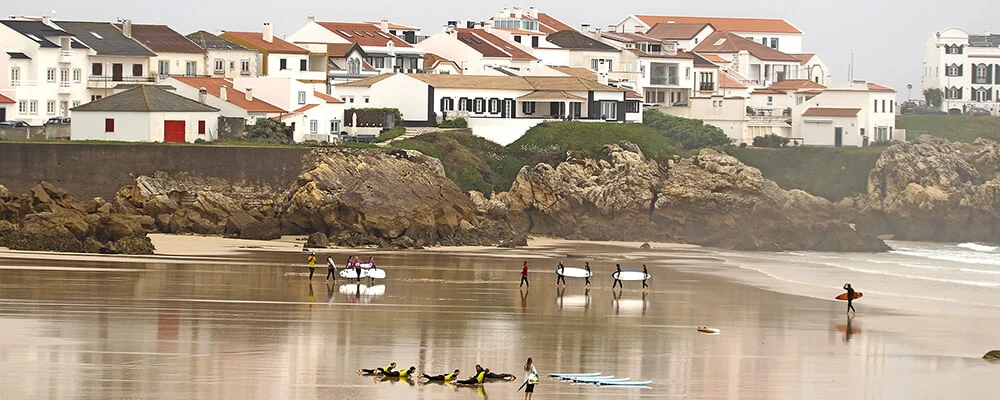
Breakfast at the hotel, van trip for surfing on the best wave of the day in Peniche, being the most popular Supertubos, a beach break with powerful tubes mostly hollow rights and lefts or Almagreira, a beach break with lefts and rights depending on sandbanks for surf guide, and Lagido, a reef break covered with sand in places predominantly left-handers, with occasional rights further down the beach or Baleal, a mostly beach breaks and reef breaks with variety of lefts and rights, for surf lessons. Lunch on traditional local restaurant.
The other half of the day will be filled by a cultural visit to Peniche Fort, a must-see. It was built in the 16th/17th centuries to defend the coast. It played a major role at various points in Portuguese history but its most recent purpose was to serve as a political prison under the Estado Novo regime, holding some of the most important public personalities in the fight against fascism. Return to hotel.
Overnight in Peniche.
Meals included: Breakfast and lunch
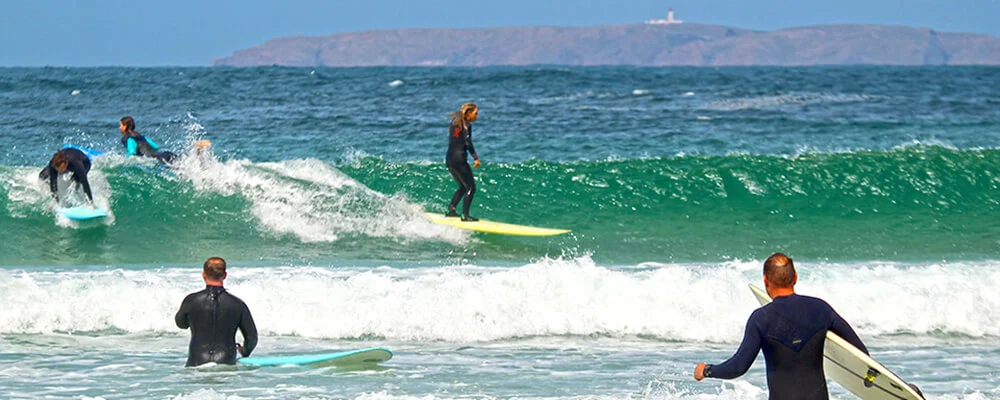
Breakfast at the hotel, check-out from Peniche hotel, van trip for surfing on the best wave of the day, possibly Foz do Arelho, a beach break with lefts and rights, perfect for all levels.
Lunch on traditional local restaurant, passing through Óbidos medieval castle, walking its cobbled streets and castle walls lined with whitewashed homes and tiled archways, ending with a tasting of Ginja de Óbidos, the region’s iconic sour cherry liqueur served in a chocolate cup.
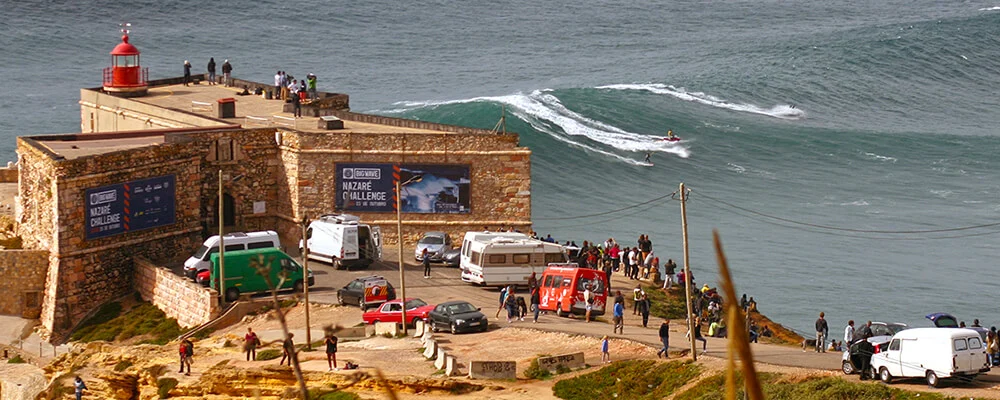
Head north to Nazaré big waves town to visit the São Miguel do Arcanjo Fort (lighthouse) to learn how Nazaré became a global surf icon through record-breaking rides from Garrett McNamara’s 78-foot wave to today’s 86-foot world record, head north to check-in on new hotel in Figueira da Foz area.
Overnight in Figueira da Foz.
Meals included: Breakfast and lunch
Figueira da Foz, located at the mouth of the Mondego River, is a coastal city known for its rich heritage and natural beauty. With over 21 miles of diverse and unique beaches, it offers both relaxation and excitement, from peaceful river moments to the thrill of Europe’s longest right-hand wave and powerful Atlantic swells.
A historic fishing port with deep cultural roots, Figueira da Foz also reflects the elegance of the Belle Époque, when it was Portugal’s most popular seaside resort. Today, it remains a unique destination where maritime tradition meets timeless charm.
Breakfast at the hotel, van trip for surfing on the best wave of the day, being the most popular Cabedelo, a point break with consistent high-quality rights or Buarcos, a several distinct point breaks can connect to form one very long right, famous for being Europe’s longest right-hand wave, both perfect for all levels. Lunch on traditional local restaurant.
In the other part of the day, will stroll through Figueira da Foz, visiting Bairro Novo (New Block) built during the 1860s and, some of the most beautiful houses of the turn of the century, with many Art Noveau and Art Deco elements, were built there. Return to hotel.
Overnight in Figueira da Foz.
Meals included: Breakfast and lunch
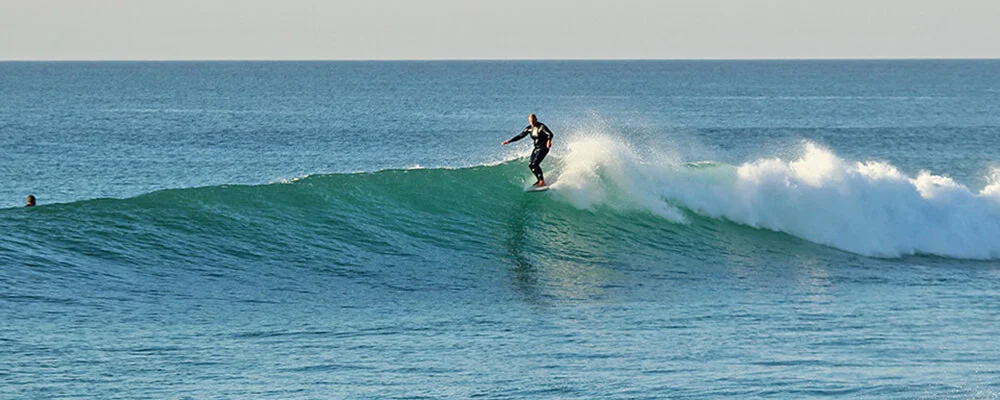
Breakfast at the hotel, check-out from Figueira da Foz hotel, van trip for surfing on the best wave of the day, possibly Praia da Barra, a beach break with left and right from a central peak, perfect for all levels. Lunch on traditional local restaurant, passing by Aveiro, a city shaped by water and crisscrossed by scenic canals where colourful Moliceiros, once used to harvest seaweed, now doing sightseeing tours. A local highlight is the traditional sweet ovos moles, made from eggs and sugar, sold in wooden barrels or delicate wafer shells shaped in various forms. Head north to check-in on new hotel in Porto area.
Overnight in Porto.
Meals included: Breakfast and lunch
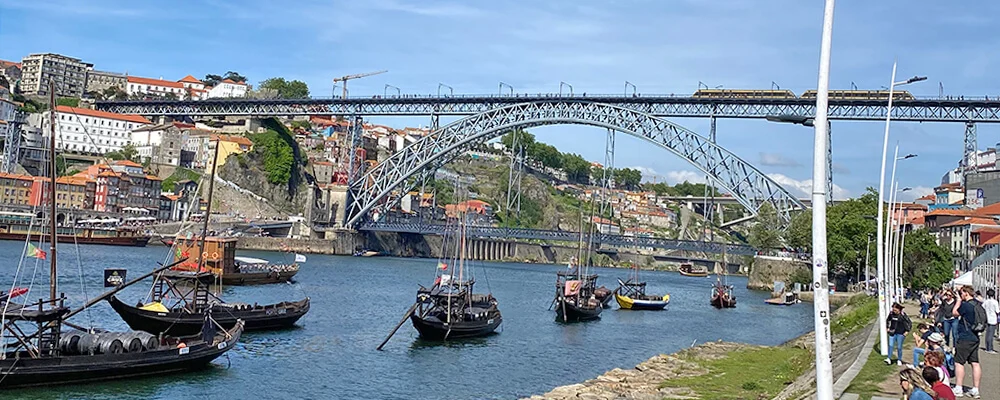
Porto is a coastal city in northwest Portugal known for its stately bridges and port wine production. In the medieval Ribeira (riverside) district, narrow cobbled streets wind past merchants’ houses and cafes. Whatever it is, it certainly has to do with its people, known to be generous and easy-going, as well as the River Douro and its heritage on both banks, with its bridges and monuments, the tiles, the flowering balconies and the shopping streets. The historic centre of Porto and the River Douro on the Vila Nova de Gaia side, where the Port Wine lodges are located, are classified as UNESCO World Heritage site since 1996.
The name Portugal originates from “Portucale,” a union of the Latin Portus (port) and the Celtic place name Cale, forming “Porto de Cale.” The term referred to a settlement located at the mouth of the Douro River, on the left bank (where Vila Nova de Gaia is today) and on the right bank (where the city of Porto is today). Over time, the name Portucale came to encompass a wider territory, giving rise to the Condado Portucalense and, ultimately, Portugal.
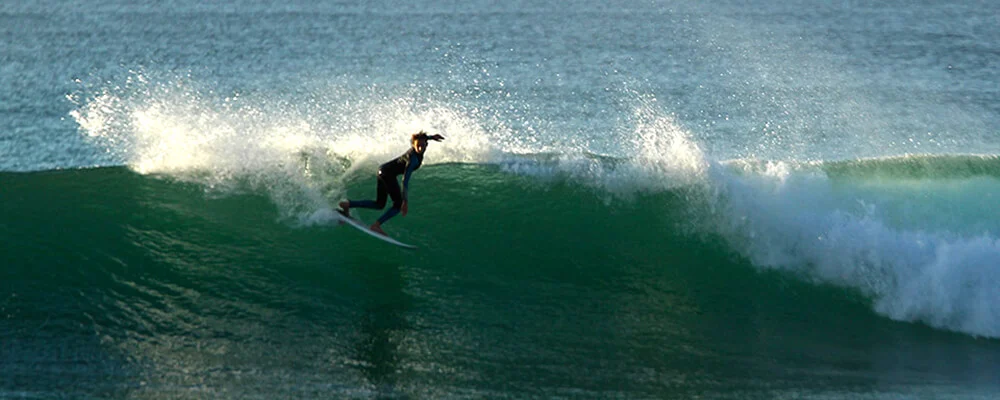
Breakfast at the hotel, van trip for surfing on the best wave of the day in Porto, being the most popular Matosinhos, a beach break, but there are also some point breaks with left and right or Espinho, a mix of beach breaks and point breaks with left and right, both perfect for all levels. Lunch on traditional local restaurant to try the local Francesinha, a sandwich characterized by layers of sliced bread, different meats (steak, ham, sausage and chorizo), cheese and a spicy sauce, usually served with French fries.
In the other part of the day, will visit the medieval Ribeira (riverside) district, narrow cobbled streets wind past merchants’ houses and cafes. Return to hotel.
Overnight in Porto.
Meals included: Breakfast and lunch
Breakfast at the hotel, check-out from Porto hotel, if the flight schedule allows it, possible lunch on traditional local restaurant and departure to Lisbon airport.
Meal included: Breakfast


