

Discover UNESCO Portugal: A Complete Guide to Heritage, Nature & Living Culture
April is the perfect time to celebrate UNESCO World Heritage Month, and few destinations embody UNESCO’s mission as powerfully as Portugal. From monumental monasteries and ancient vineyards to volcanic islands and living musical traditions, Portugal offers an extraordinary concentration of UNESCO-recognized heritage in a compact, welcoming country.
If you’re planning a cultural getaway, a nature-driven escape, or a journey shaped by authentic local traditions, this guide explores everything UNESCO in Portugal.
Why Portugal Shines in the UNESCO World
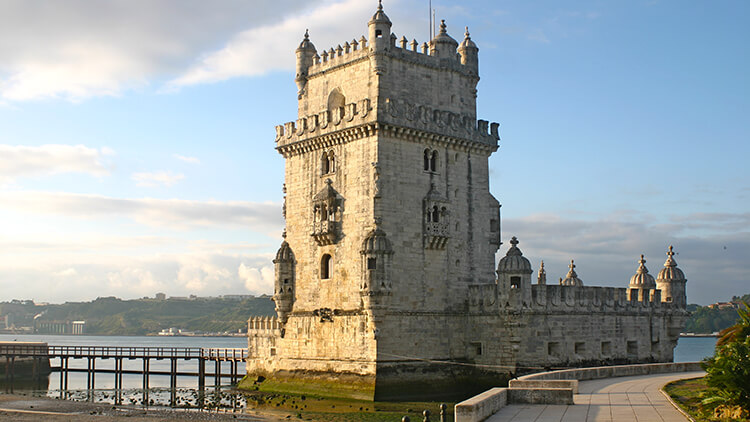
Portugal’s UNESCO designations span four major categories, reflecting the country’s deep connection between people, place, and history. With 17 World Heritage Sites, 13 Biosphere Reserves, 6 Global Geoparks, and 11+ Intangible Cultural Heritage traditions, Portugal stands out as a global leader in cultural preservation and sustainable tourism.
April, home to UNESCO World Heritage Day (April 18), is a meaningful moment to explore these treasures while supporting local communities and responsible travel.
UNESCO World Heritage Sites in Portugal (17 Sites)
Portugal’s World Heritage Sites are recognized for their Outstanding Universal Value, preserving cultural milestones and natural wonders that shaped global history. From medieval strongholds to romantic landscapes, these sites invite travelers to step into centuries of discovery, faith, and creativity.
Cultural World Heritage Sites
Monastery of the Hieronymites (Jerónimos) & Tower of Belém
Manueline architectural masterpieces celebrating Portugal’s Age of Discoveries. These iconic Lisbon landmarks reflect the country’s maritime power and global connections.
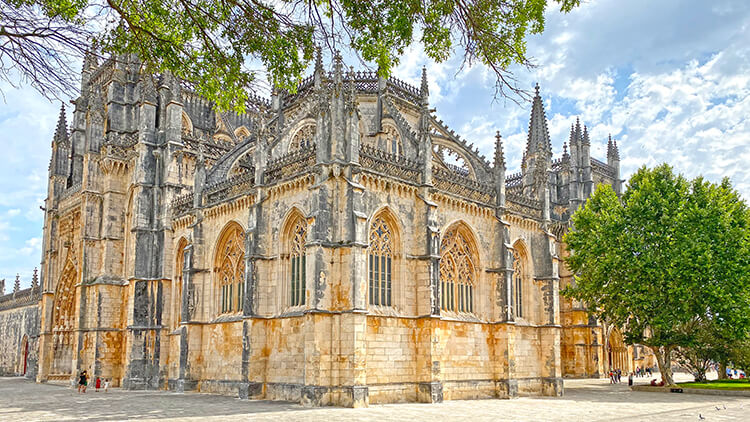
Monastery of Batalha
A striking Gothic monastery built to commemorate Portugal’s victory at the Battle of Aljubarrota. Known for its intricate stonework and unfinished chapels.
Monastery of Alcobaça
Portugal’s first Gothic monastery and a symbol of Cistercian architecture. It houses the famous tombs of King Pedro and Inês de Castro.
Convent of Christ, Tomar
Once a stronghold of the Knights Templar, this complex blends Romanesque, Gothic, and Manueline styles and is rich in mystery and symbolism.
Cultural Landscape of Sintra
A romantic landscape of palaces, gardens, and forests set among misty hills. Sintra feels like a fairytale escape just outside Lisbon.
Historic Centre of Évora
A living museum showcasing Roman temples, medieval walls, and Renaissance architecture in the heart of the Alentejo.
Historic Centre of Guimarães & Couros Zone
Known as the birthplace of Portugal, this well-preserved medieval town reflects the country’s early formation.
Historic Centre of Porto, Luiz I Bridge & Serra do Pilar
A vibrant riverside city with medieval streets, tiled facades, and iconic bridges overlooking the Douro River.
Central Zone of Angra do Heroísmo (Azores)
A historic Atlantic port that played a key role in global navigation between Europe, Africa, and the Americas.
Garrison Border Town of Elvas & its Fortifications
Home to the largest bulwarked defensive system in Europe, showcasing military architecture at an impressive scale.
Alto Douro Wine Region
A dramatic wine landscape shaped by centuries of terraced vineyards. One of the world’s oldest demarcated wine regions.
Landscape of the Pico Island Vineyard Culture (Azores)
Unique volcanic vineyards protected by stone walls, illustrating human adaptation to a challenging environment.
Prehistoric Rock Art Sites of the Côa Valley & Siega Verde
Open-air rock engravings dating back thousands of years, offering rare insight into prehistoric life.
University of Coimbra – Alta and Sofia
One of Europe’s oldest universities, where academic traditions, libraries, and student rituals remain alive.
Royal Building of Mafra
A monumental Baroque palace, convent, and basilica built to display royal power and architectural ambition.
Sanctuary of Bom Jesus do Monte (Braga)
A renowned pilgrimage site featuring a dramatic Baroque stairway symbolizing spiritual ascent.
Natural World Heritage Site
Laurisilva of Madeira
An ancient laurel forest dating back millions of years, home to rare species and a unique ecosystem.
UNESCO Biosphere Reserves in Portugal (13 Reserves)
Designated under UNESCO’s Man and the Biosphere Programme, these regions showcase how nature conservation and human life can coexist sustainably. They are ideal destinations for slow travel, hiking, wildlife observation, and eco-tourism.
Mainland Portugal
Paul do Boquilobo
Wetlands rich in birdlife and vital for migratory species.
Gerês–Xurés
Mountain landscapes and biodiversity shared between Portugal and Spain.
Tejo/Tajo River Valley
Cultural and natural landscapes shaped by one of Iberia’s most important rivers.
Meseta Ibérica
Vast interior plateaus preserving traditional rural life and ecosystems.
Castro Verde
Open steppe habitats essential for endangered bird species.
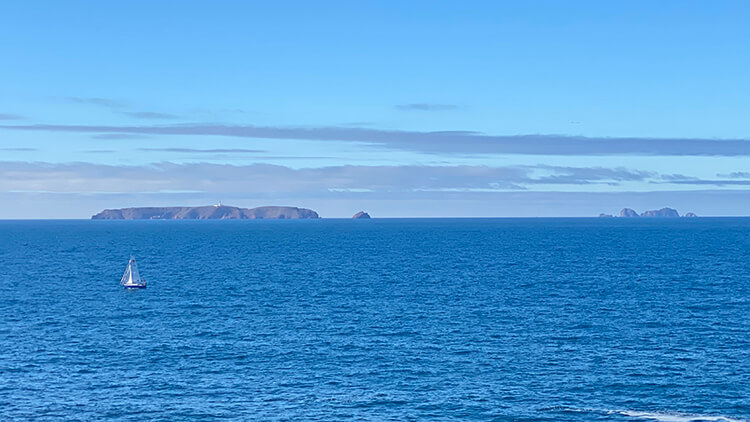
Berlengas
Protected marine ecosystems and seabird nesting grounds.
Arrábida
A coastal biosphere blending cliffs, forests, and Mediterranean biodiversity near Setúbal.
Azores Archipelago
Corvo
A small volcanic island known for its caldera, birdlife, and peaceful isolation.
Graciosa
Gentle volcanic landscapes, traditional villages, and a calm island rhythm.
Flores
Lush scenery, waterfalls, and dramatic cliffs shaped by water and volcanoes.
Fajãs de São Jorge
Fertile coastal plains beneath towering cliffs, shaped by lava flows and landslides.
Madeira Archipelago
Santana
Mountain, forest, and agricultural landscapes closely tied to traditional Madeiran life.
Porto Santo
A biosphere focused on sustainable island living and protected marine and coastal areas.
UNESCO Global Geoparks in Portugal (6 Geoparks)
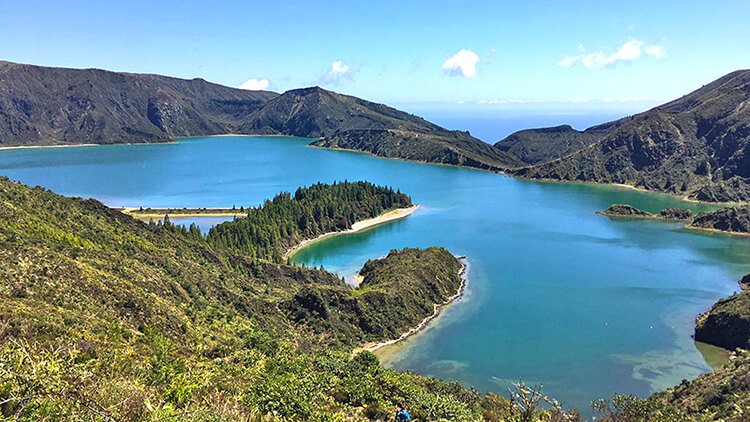
Portugal’s UNESCO Global Geoparks celebrate geological heritage shaped over millions of years. These landscapes offer dramatic cliffs, fossils, volcanoes, and educational geosites that blend science, adventure, and sustainability.
Naturtejo da Meseta Meridional
Ancient river valleys, fossil sites, and striking rock formations.
Arouca Geopark
Internationally known for giant trilobite fossils and dramatic geological features.
Azores Geopark
A living showcase of volcanic activity across nine islands.
Terras de Cavaleiros
Distinctive northern landscapes shaped by diverse rock formations.
Serra da Estrela Geopark
Portugal’s highest mountains, featuring glacial valleys and alpine scenery.
Oeste Geopark
Atlantic cliffs, dinosaur fossils, and coastal geological heritage.
UNESCO Intangible Cultural Heritage of Portugal (11+ Traditions)
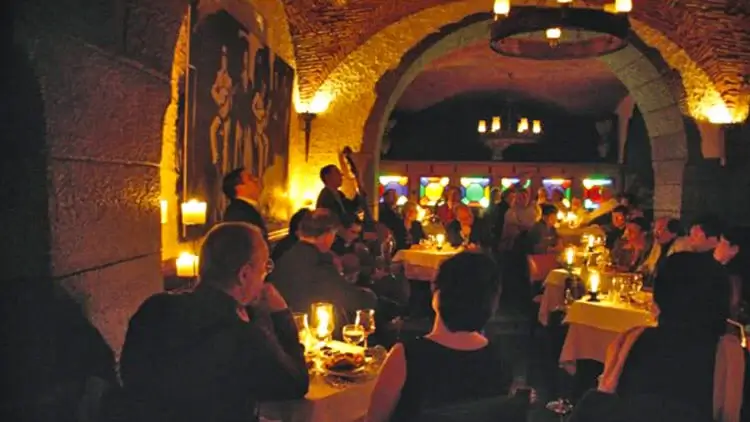
Beyond monuments and landscapes, UNESCO also protects living traditions, music, crafts, rituals, and skills passed from generation to generation. These experiences allow travelers to connect with Portugal’s soul.
Representative List
Fado
An emotional urban music style expressing longing and identity.
Mediterranean Diet
A shared cultural lifestyle centered on food, community, and sustainability.
Cante Alentejano
Traditional polyphonic singing rooted in collective expression.
Estremoz Clay Figures
Handcrafted figurines reflecting popular traditions and creativity.
Carnival of Podence
Colorful winter festivities featuring masked characters and rituals.
Community Festivities in Campo Maior
Large-scale floral celebrations created by local communities.
Falconry
A living tradition highlighting the bond between humans and birds of prey.
Equestrian Art in Portugal
Classical horse training rooted in history and performance.
Urgent Safeguarding List
Manufacture of Cowbells
Traditional metal craftsmanship tied to rural life.
Bisalhães Black Pottery
Ancient pottery techniques passed down through generations.
Moliceiro Boats of Aveiro
Distinctive boat-building skills linked to lagoon culture.
Travel Deeper, Travel Meaningfully
Celebrating UNESCO Month in April is an invitation to explore Portugal beyond the surface, to travel with intention, respect heritage, and support local communities. If you’re drawn to historic cities, untouched nature, or living traditions, Portugal’s UNESCO treasures offer journeys that are as enriching as they are unforgettable.