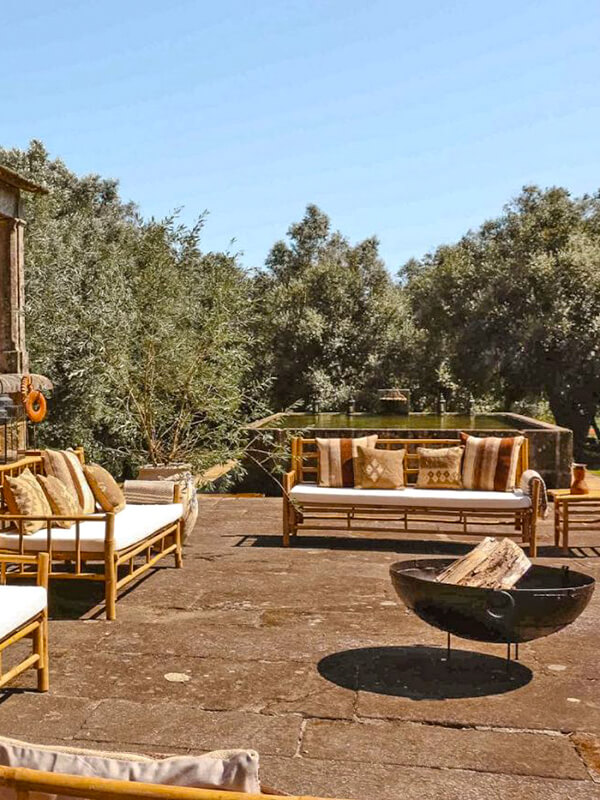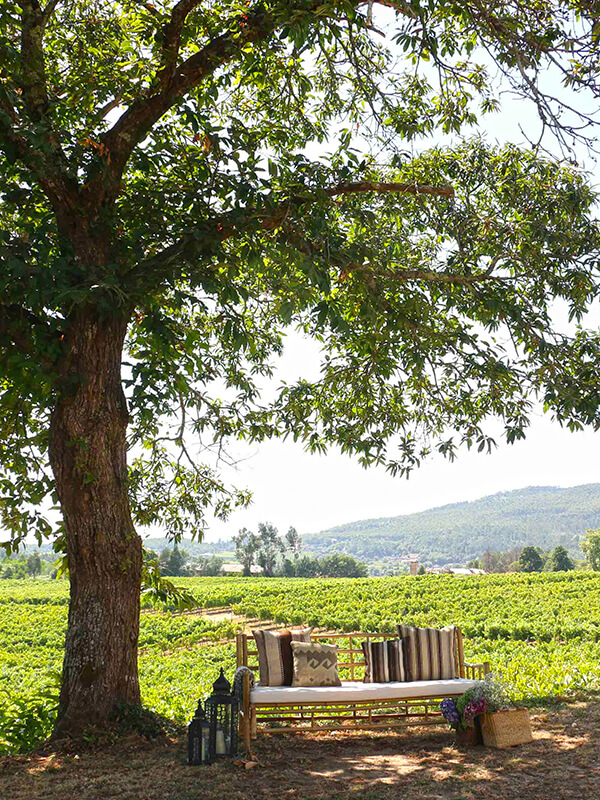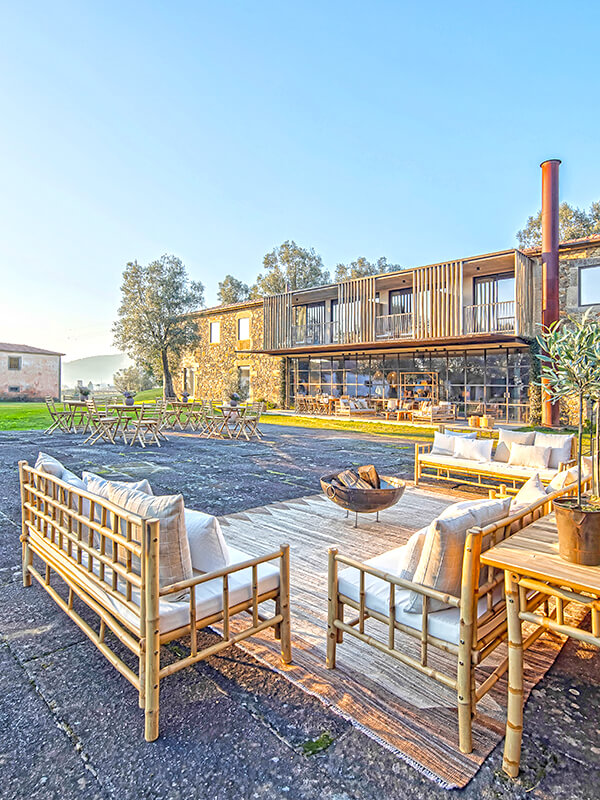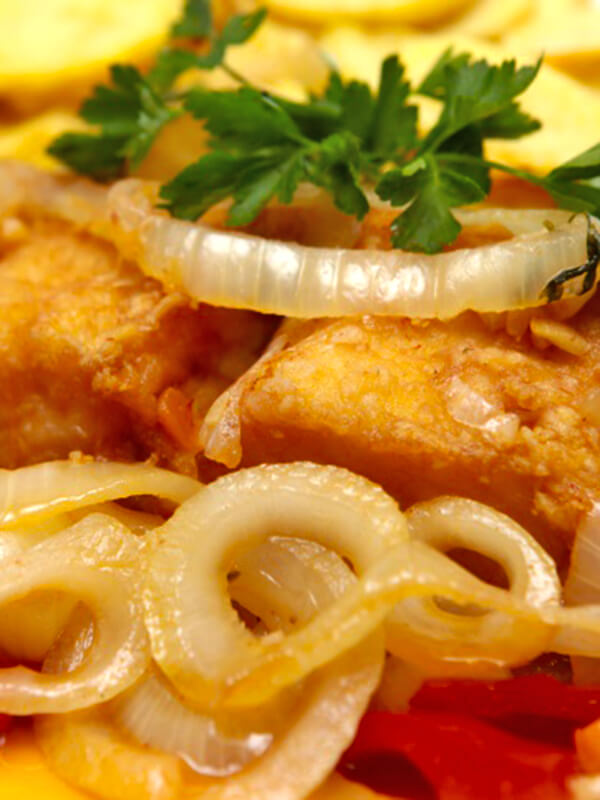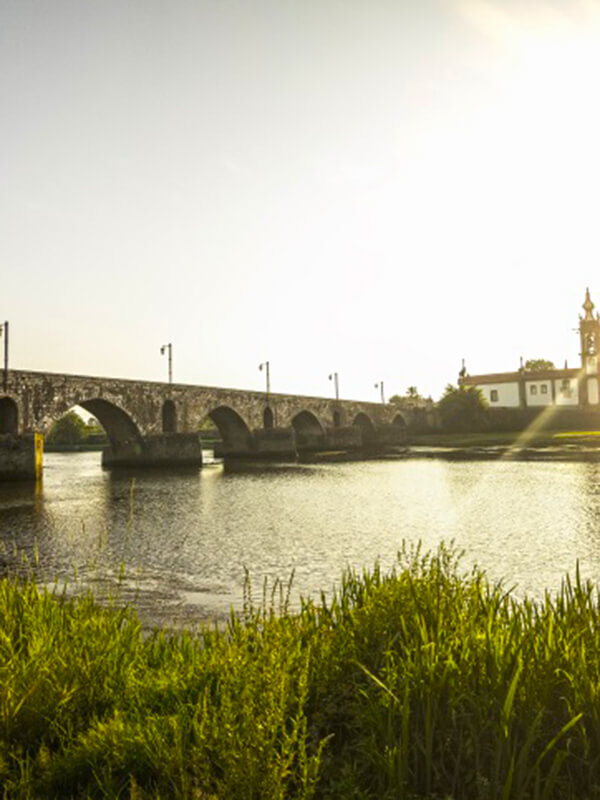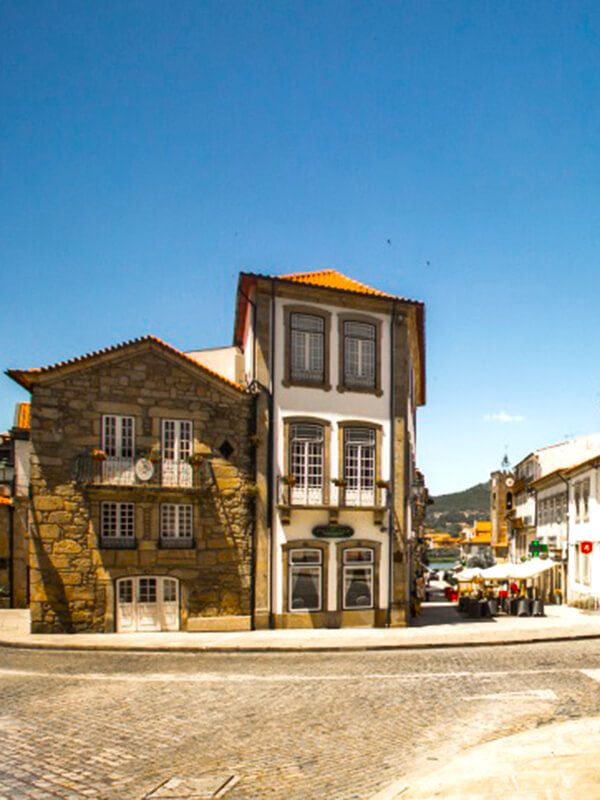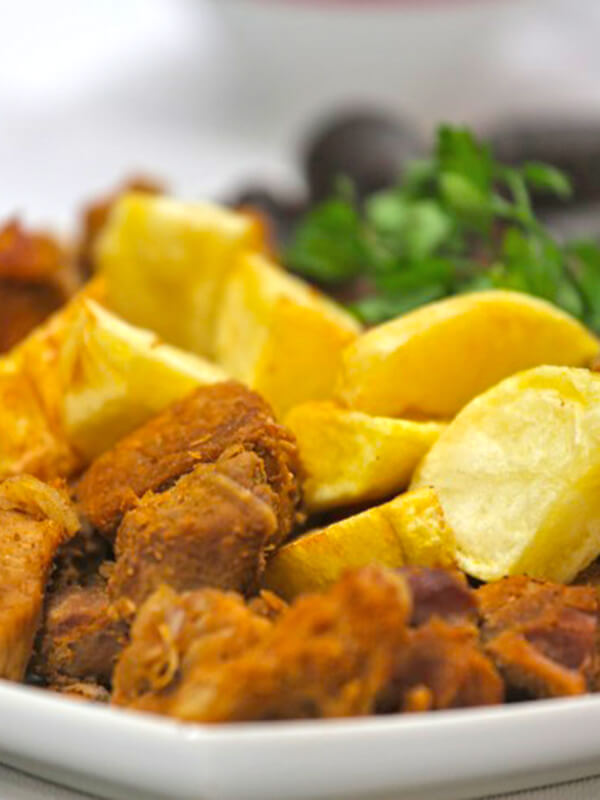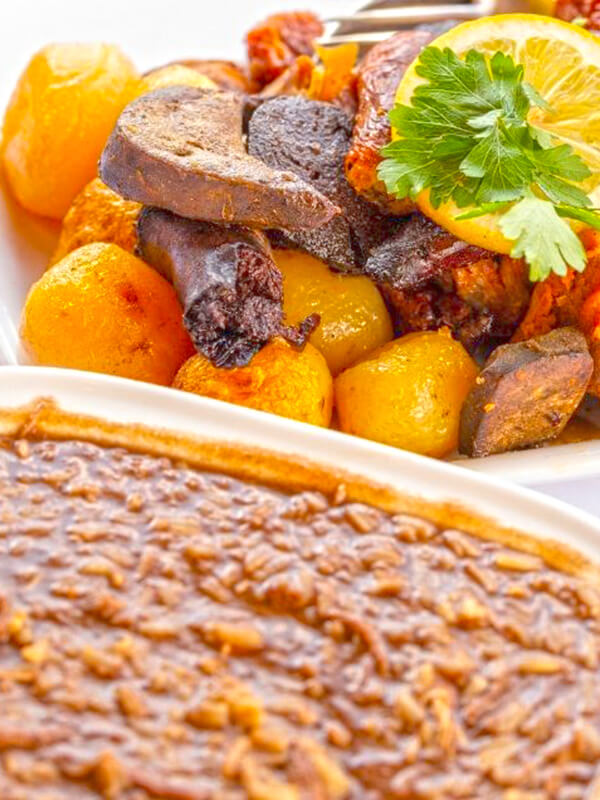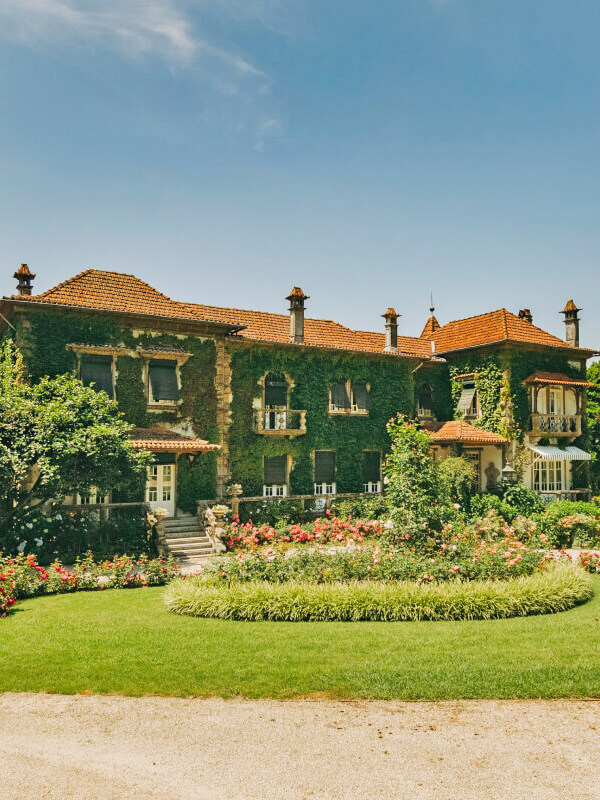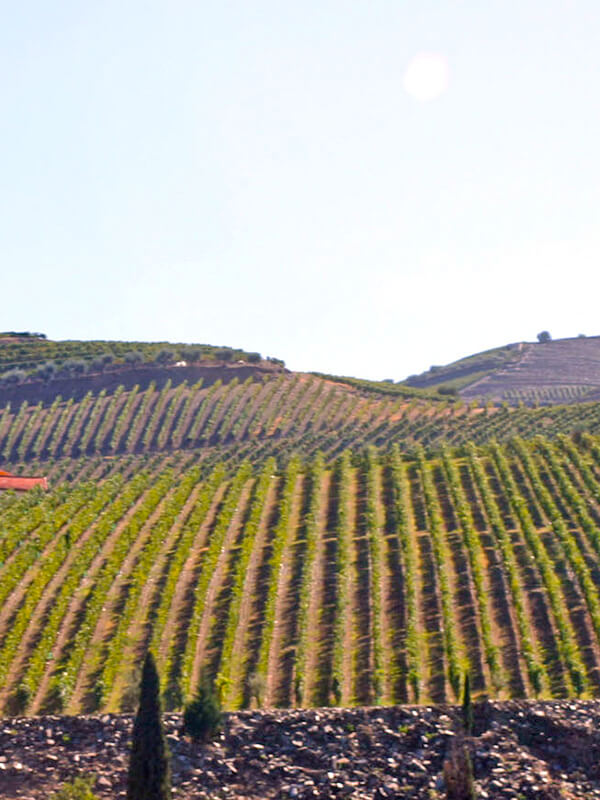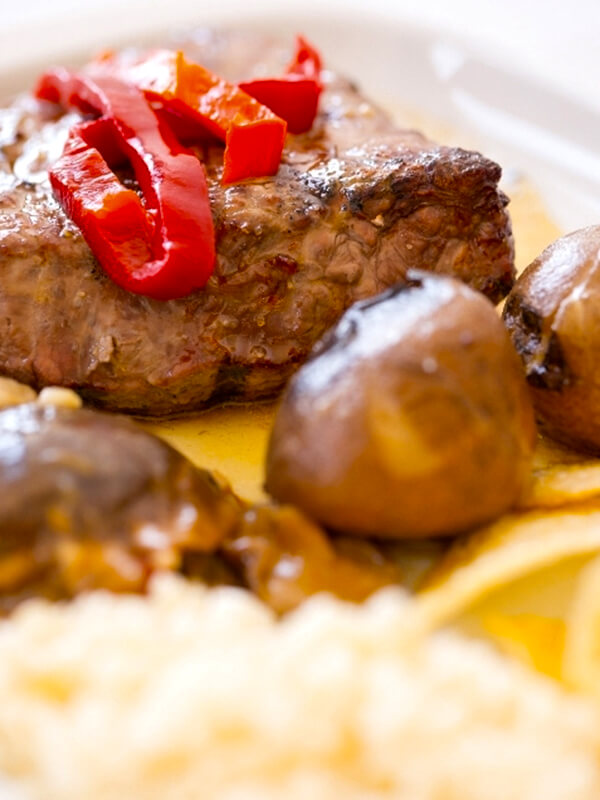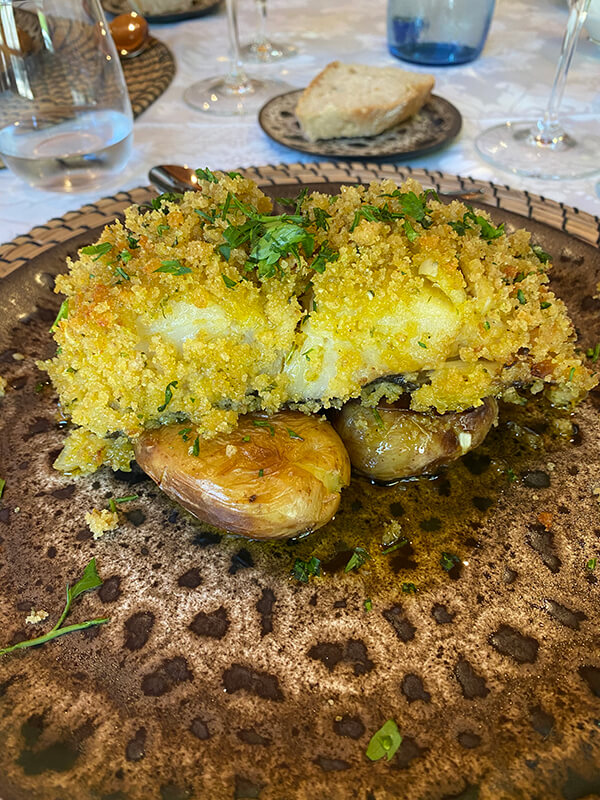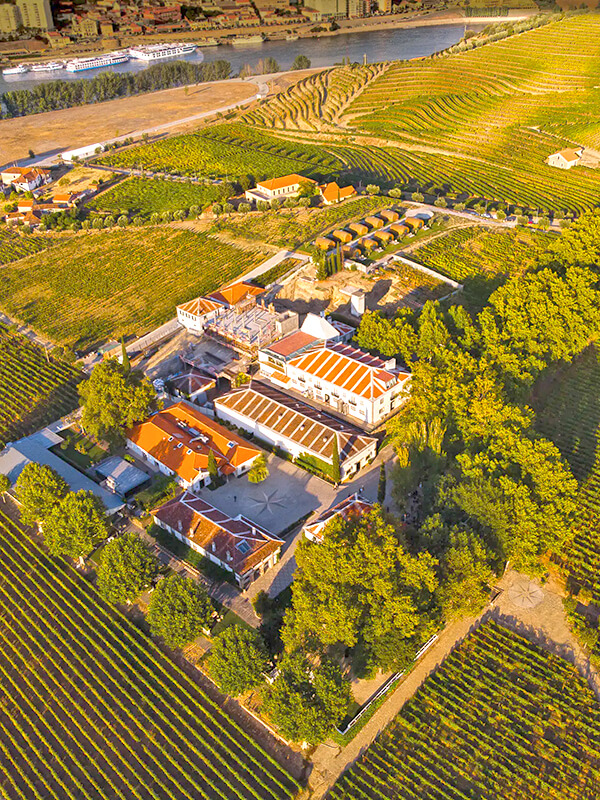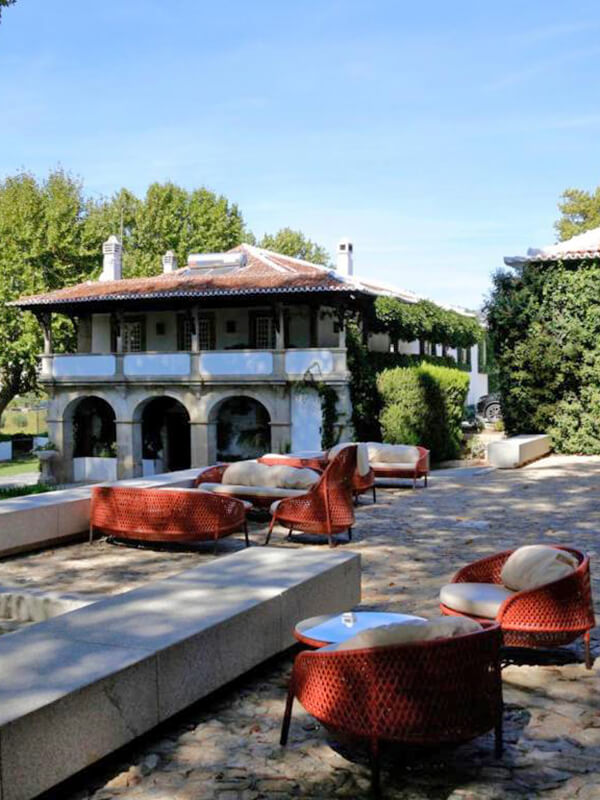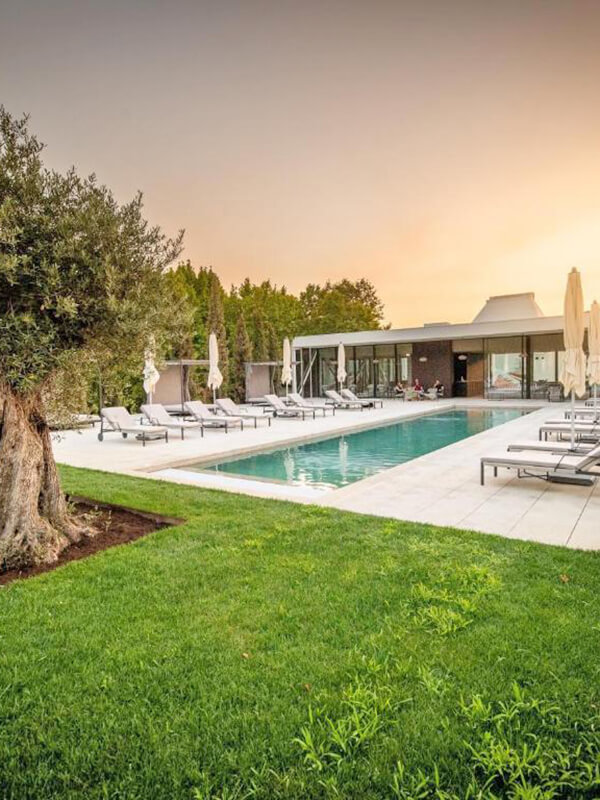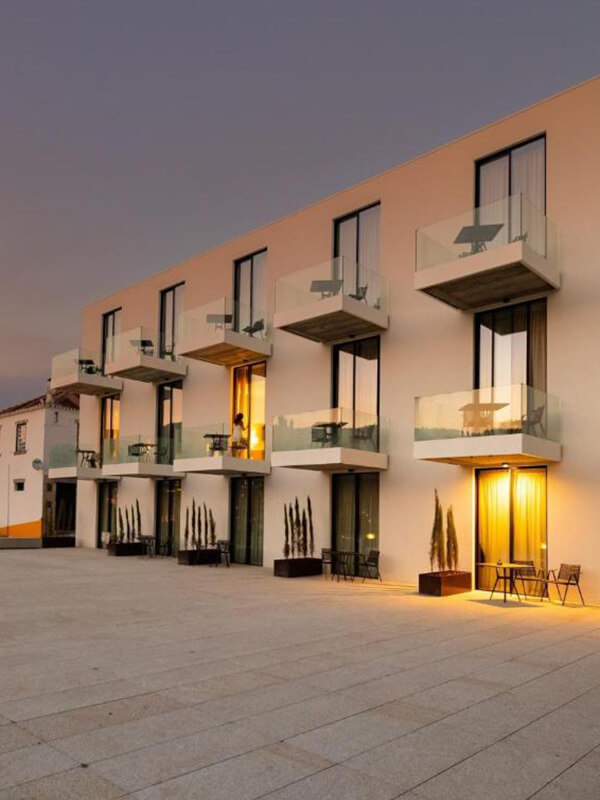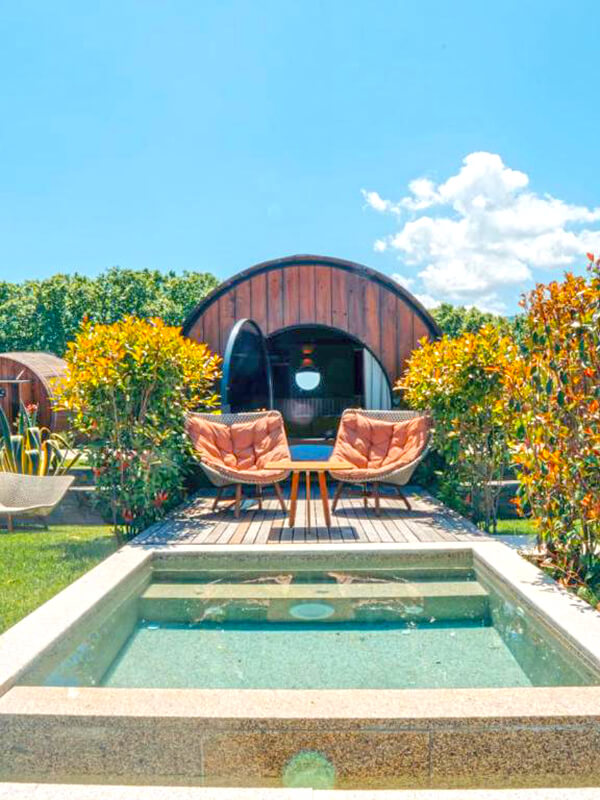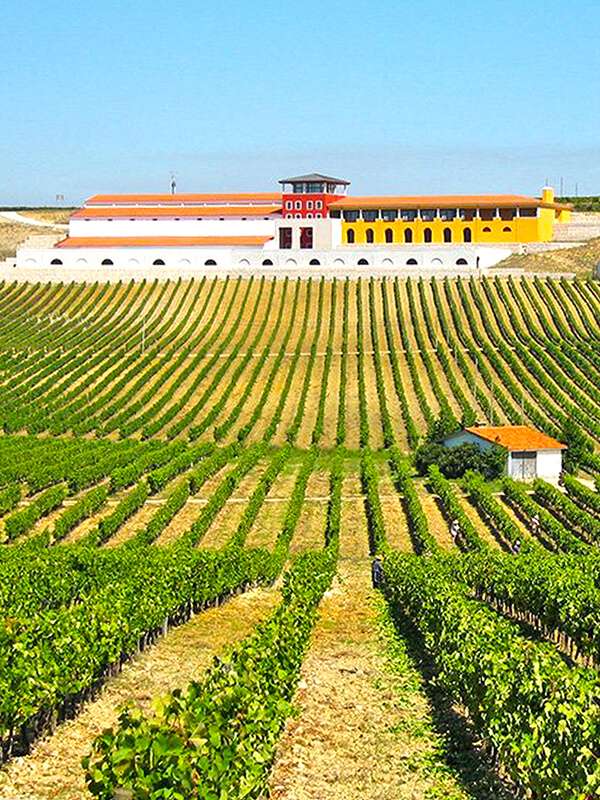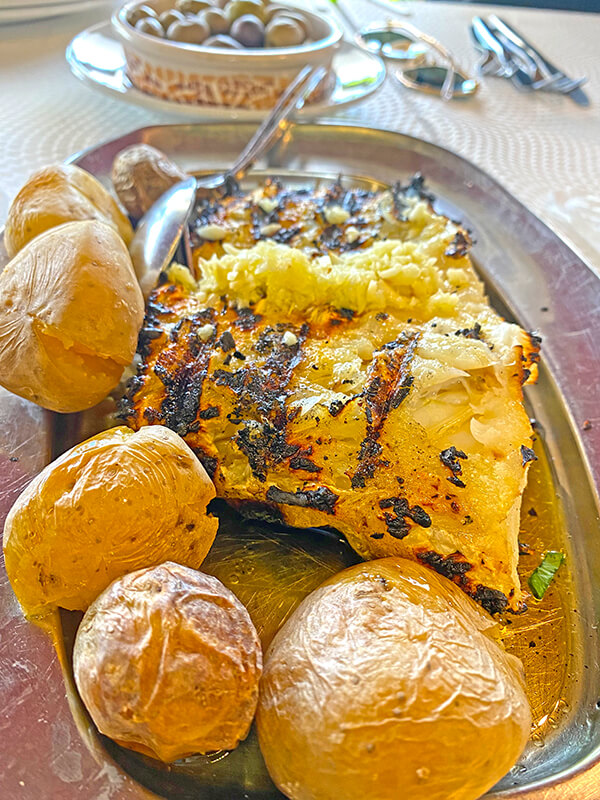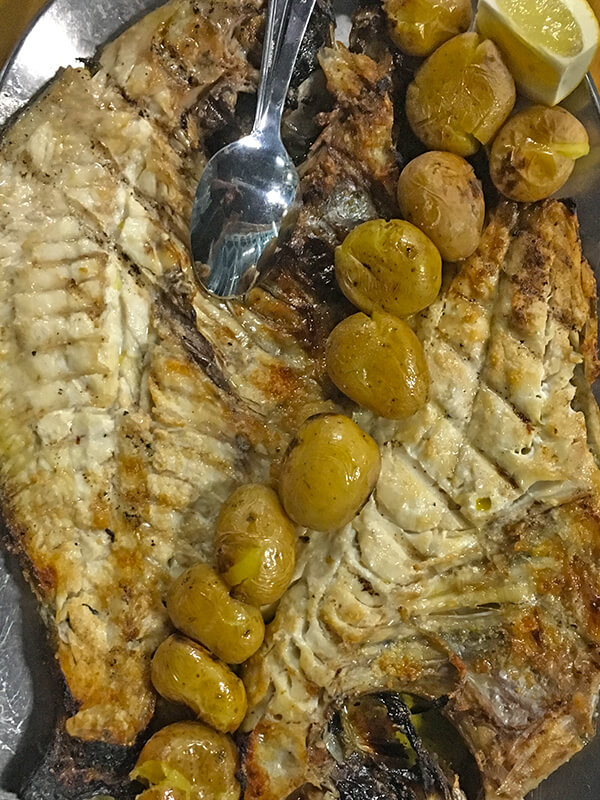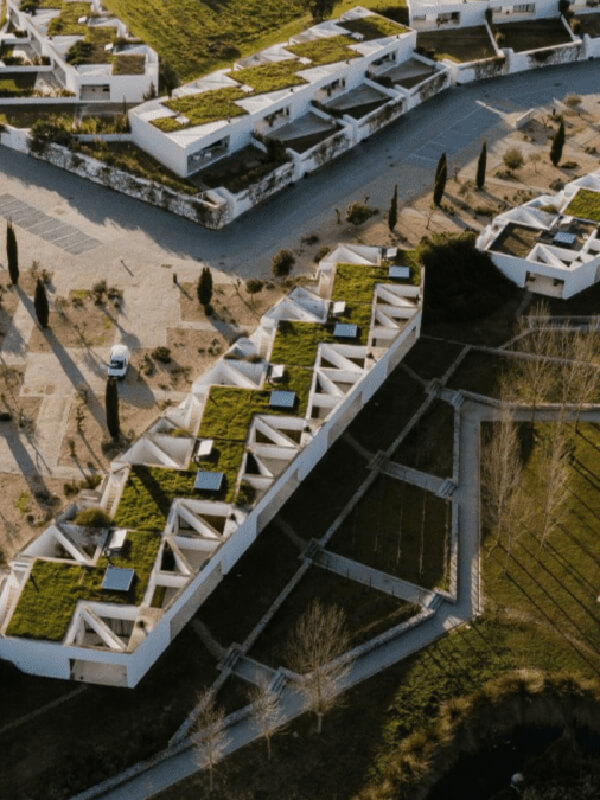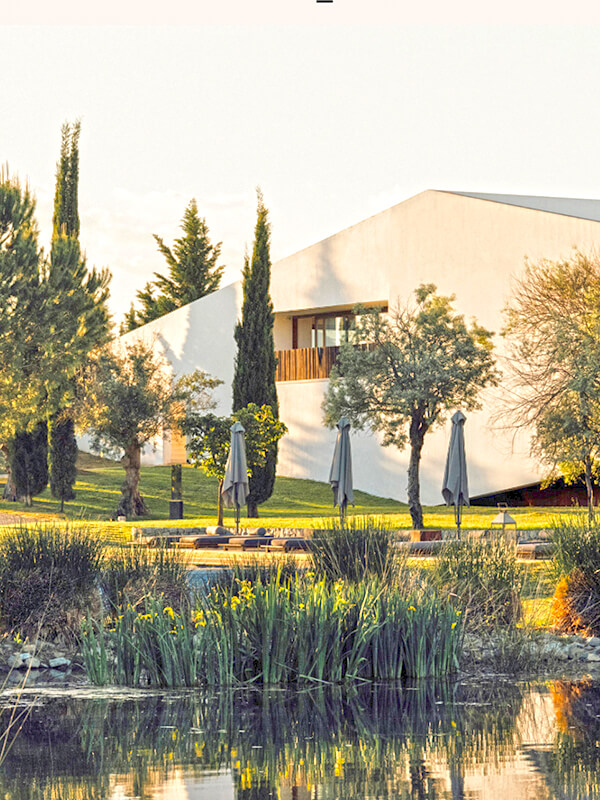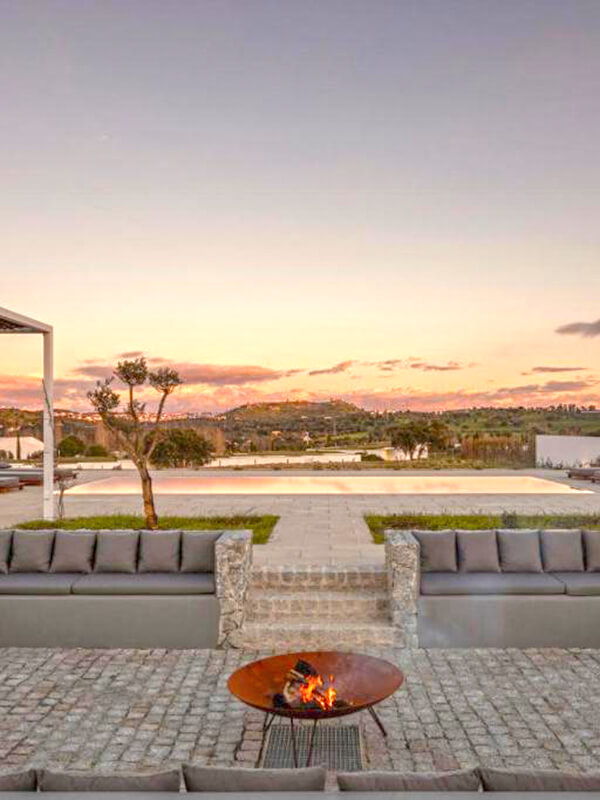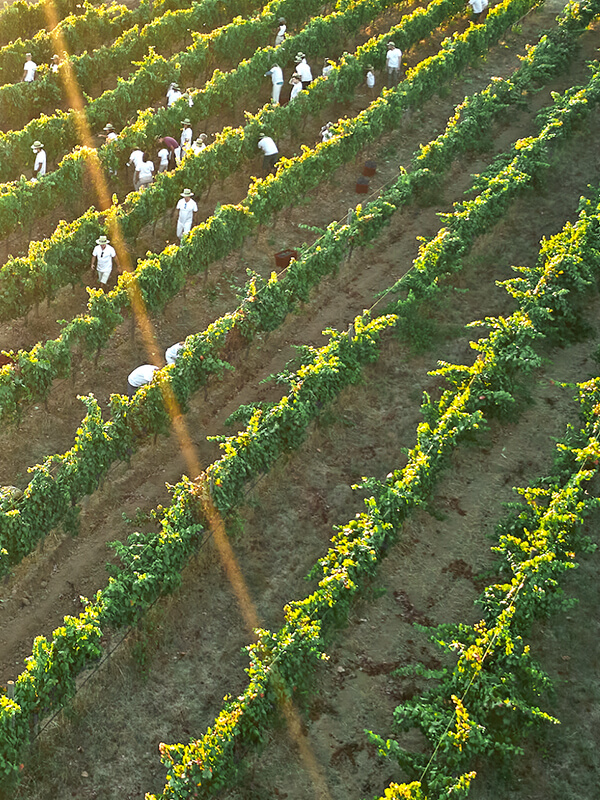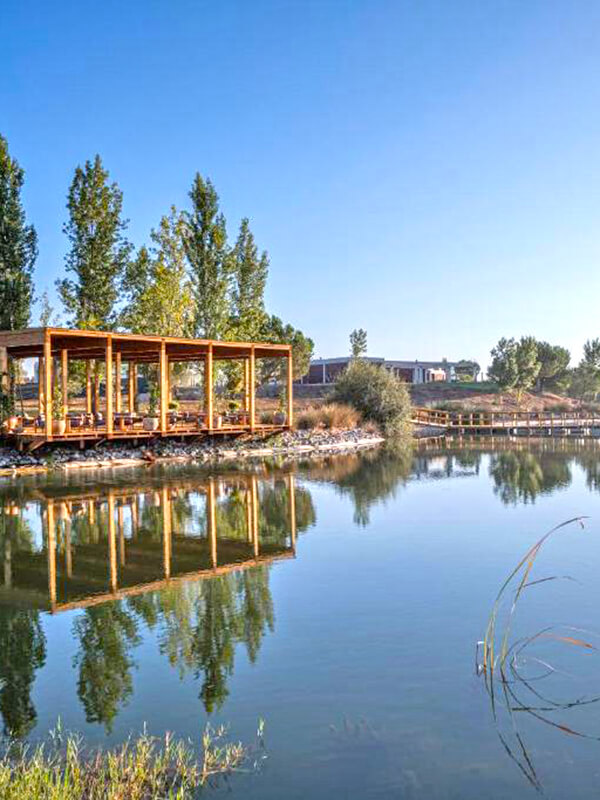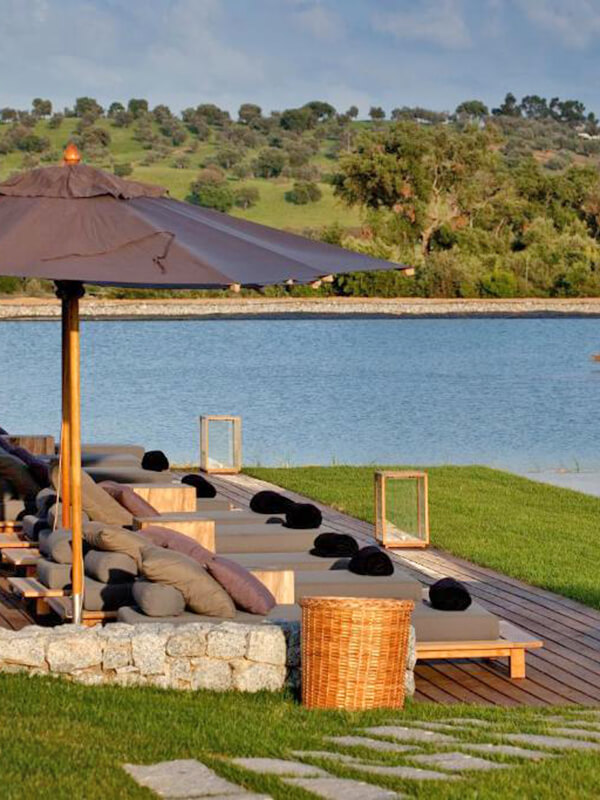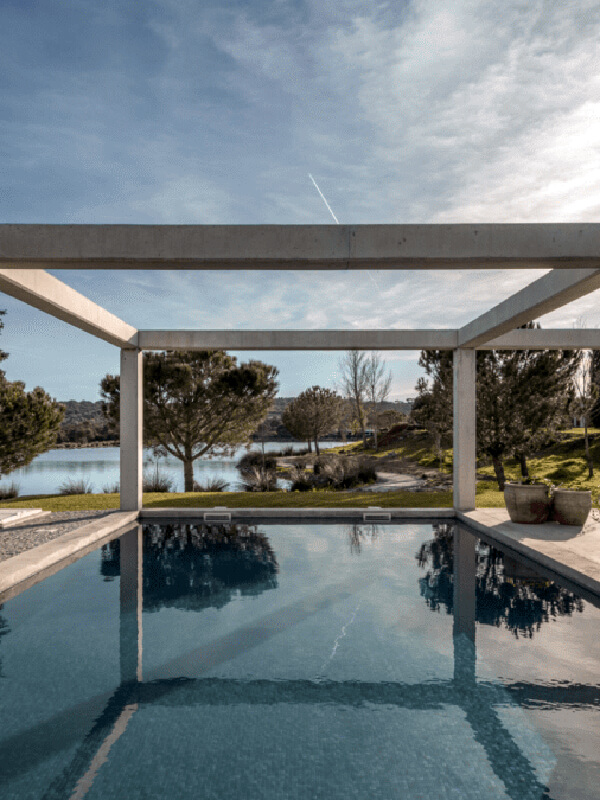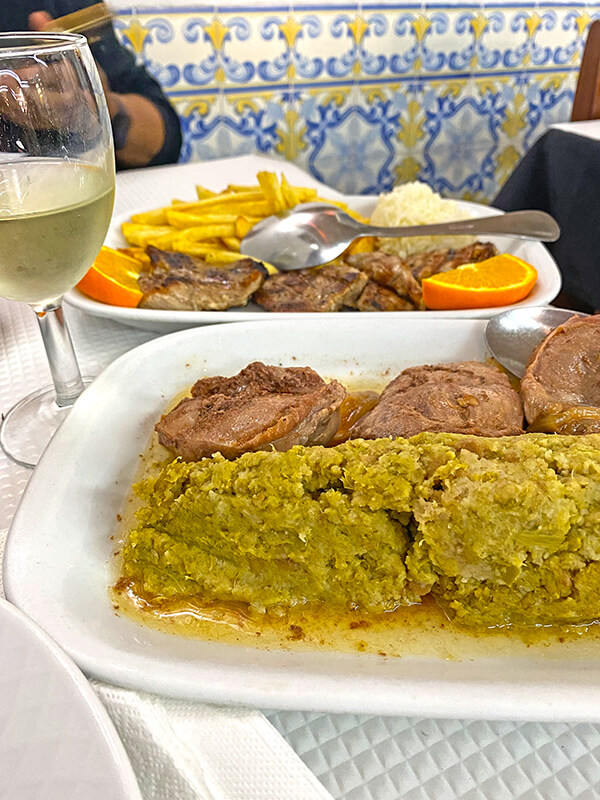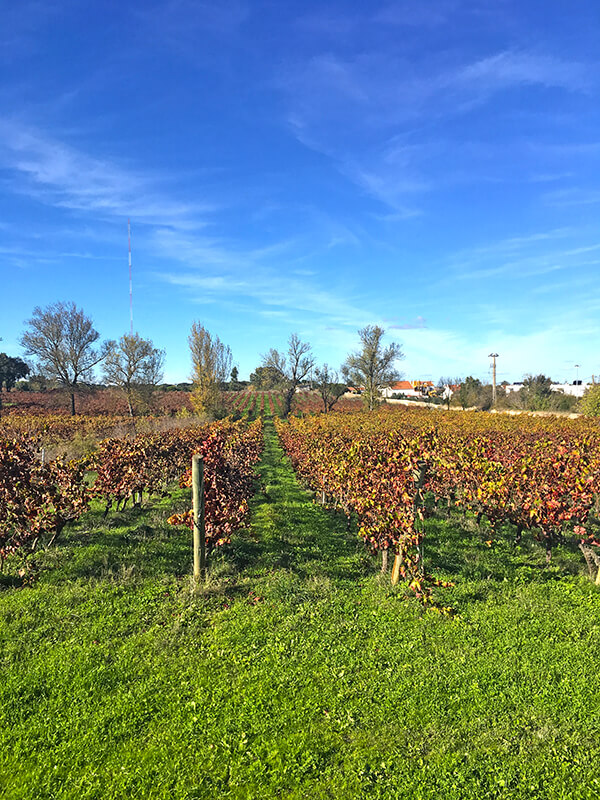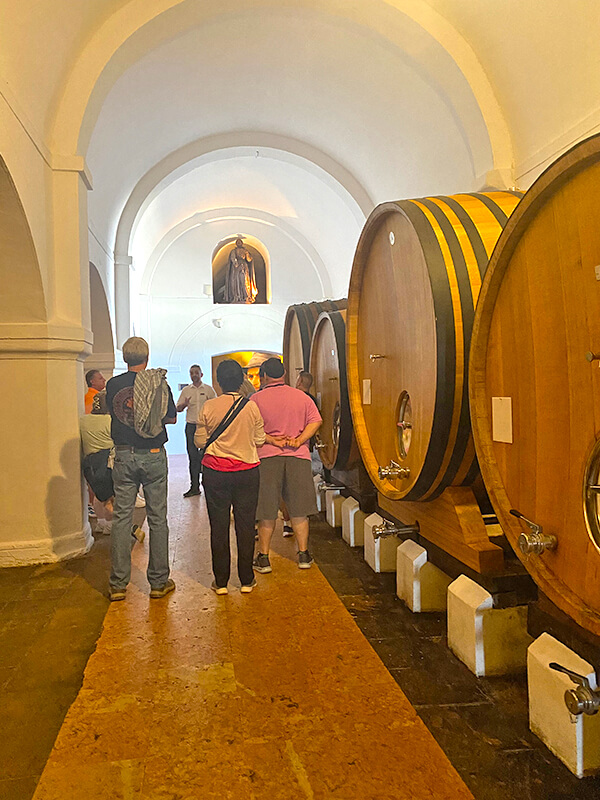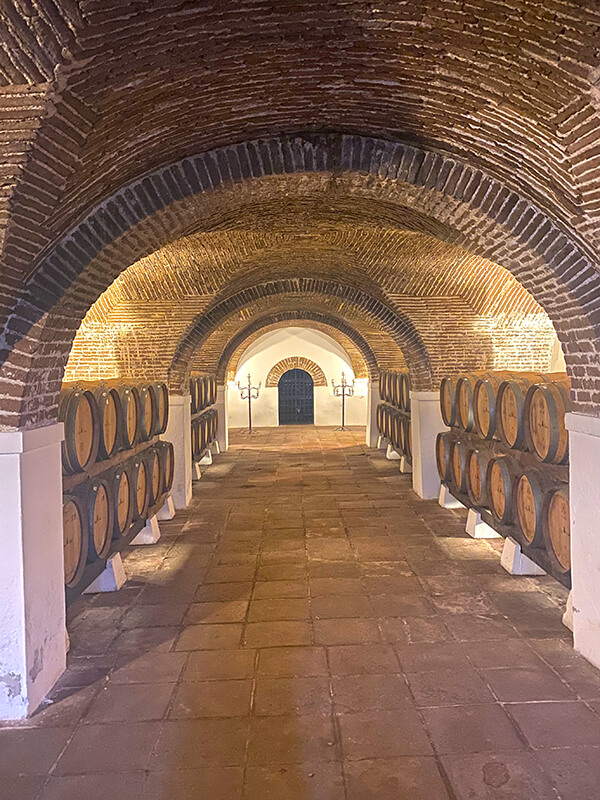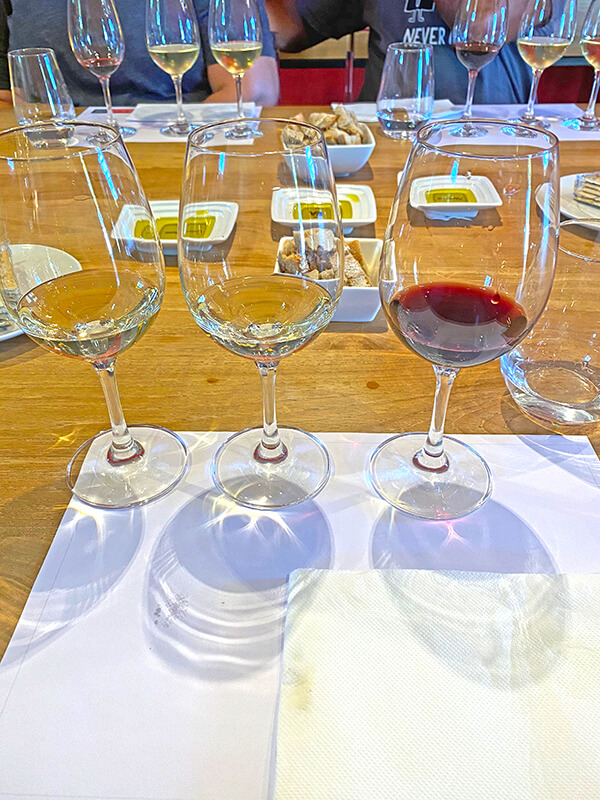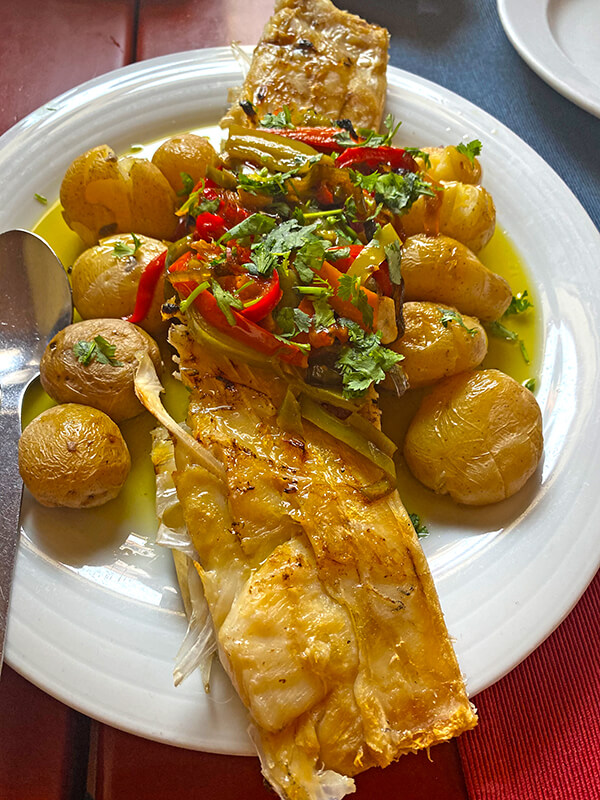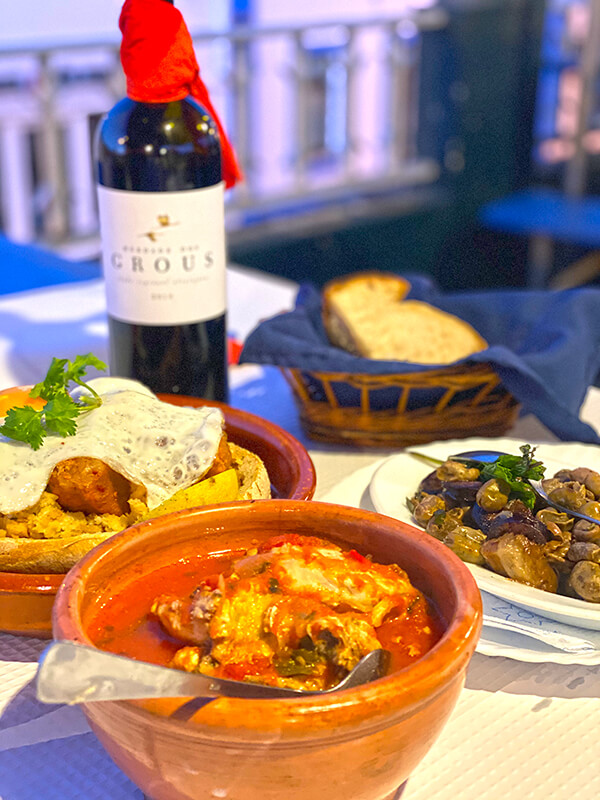



Welcome you at Lisbon airport, van trip to the wine estate hotel in Ponte de Lima area, check-in, free time to sightsee the estate, followed by a traditional welcome meal on a local restaurant and return to the wine estate hotel.
Overnight in Ponte de Lima.
Meal included: Lunch or dinner
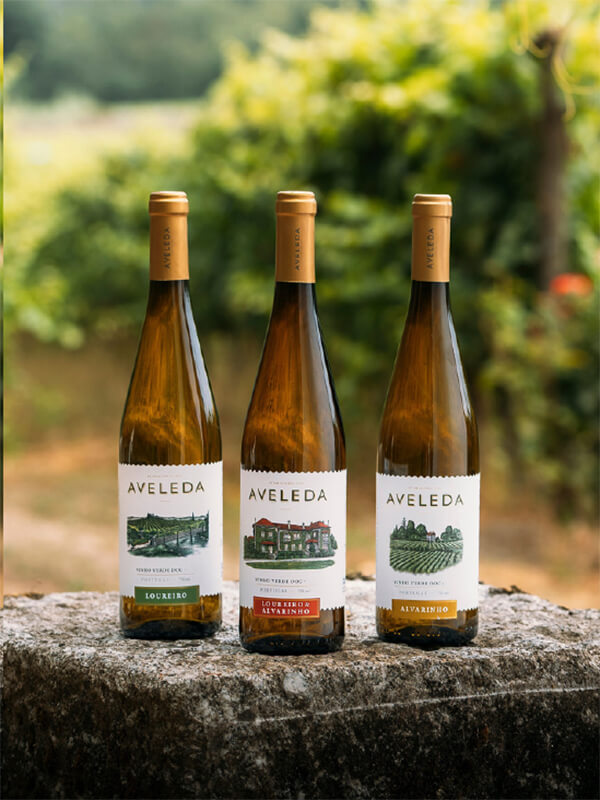
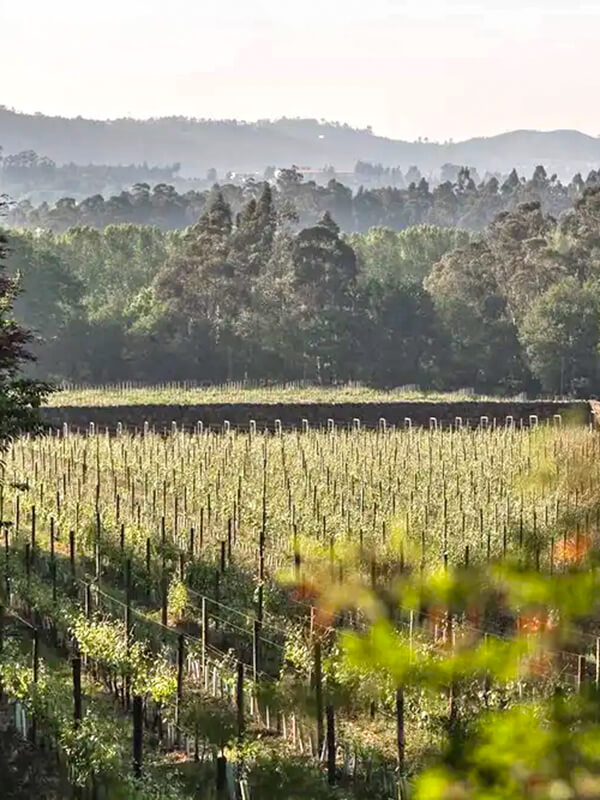
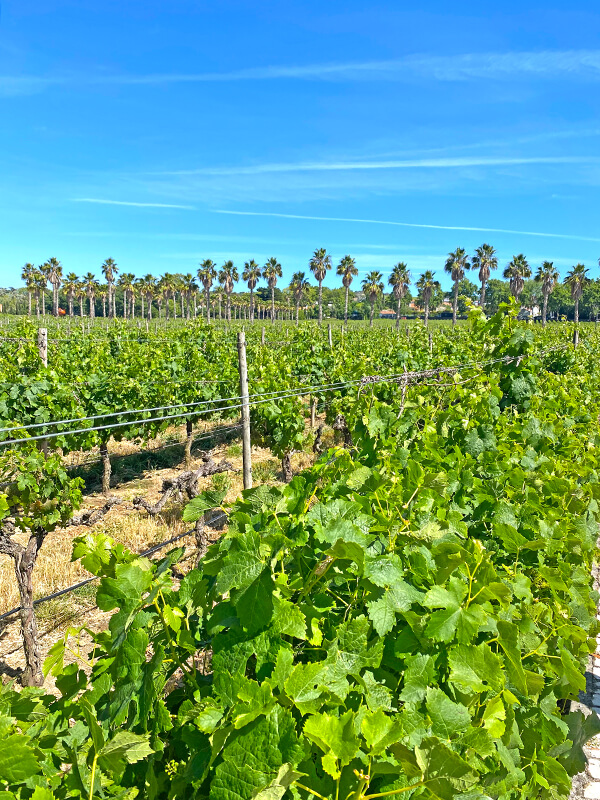
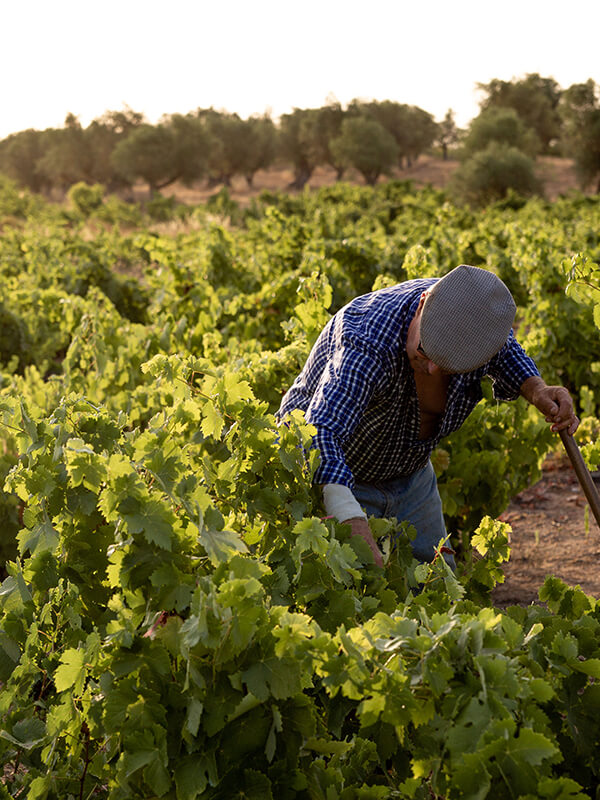
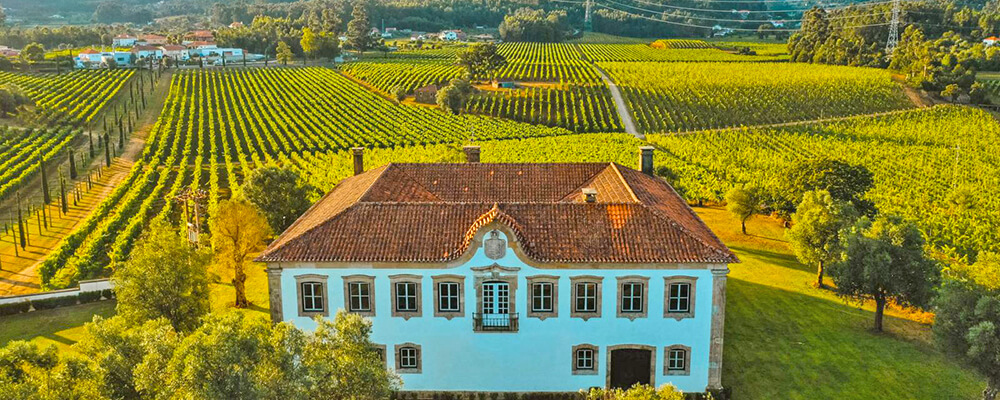
The Vinho Verde wine region in northwest Portugal is one of the country’s most distinctive wine areas, strongly influenced by the Atlantic Ocean. It has a cool, humid climate with abundant rainfall and green landscapes. Covering about 24,000 hectares, it is the largest wine denomination in Portugal, with vineyards often divided into many small plots.
The region stretches from the Minho River in the north to the Vouga River in the south, along the Atlantic coast to the city of Porto. Vineyards are mainly located along river valleys, with mostly granite soils that are fertile and naturally high in acidity.
Vinho Verde is divided into nine sub-regions: Monção e Melgaço, Lima, Basto, Cávado, Ave, Amarante, Baião, Sousa and Paiva. Monção and Melgaço stands out because it is sheltered from direct Atlantic influence, producing fuller-bodied wines with higher alcohol levels.
The region is also known for unique vineyard training methods, including the traditional “enforcado” system (vines climbing trees), the pergola or “latada”, the cruzeta, and the more modern simple cordon system.
The dominant white grape varieties are Alvarinho, Arinto (locally known as Pedernã), Avesso, Azal, Loureiro and Trajadura, while the red varieties are Borraçal, Brancelho, Espadeiro and Vinhão.
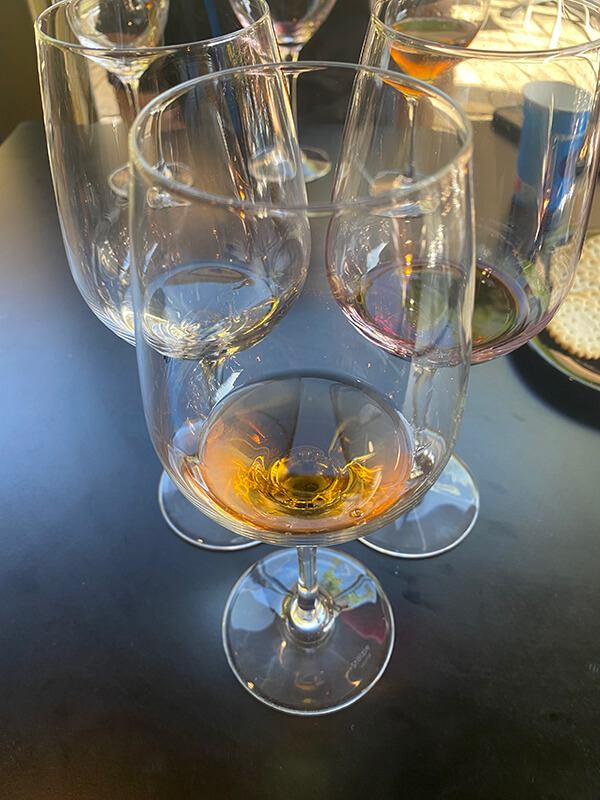
Breakfast at the hotel, van trip to visit Ponte de Lima, the historic town and medieval bridge, followed by a lunch on traditional local restaurant. In the afternoon, will go to a local winery for a guided tour visit into the vineyards, wine production, cellars and Vinho Verde (green wine) tasting paired with local snacks. Return to the wine estate hotel.
Overnight in Ponte de Lima.
Meals included: Breakfast and lunch
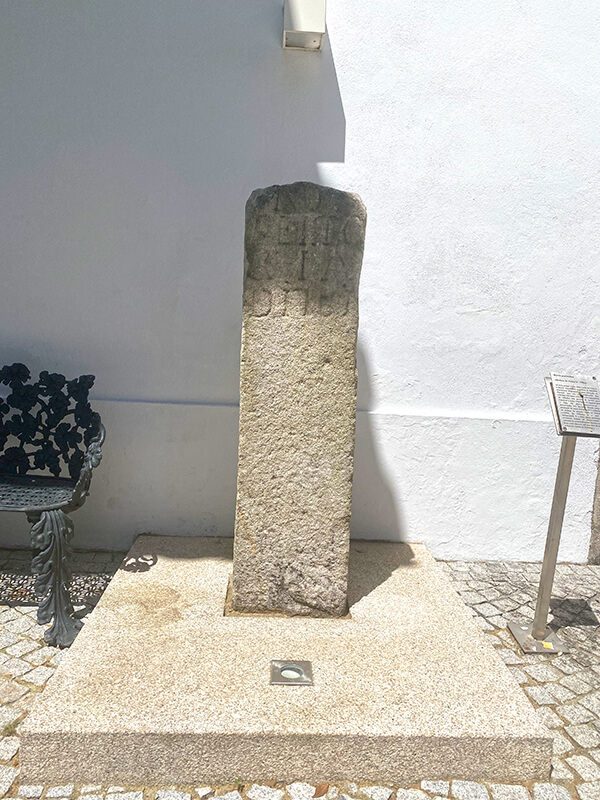
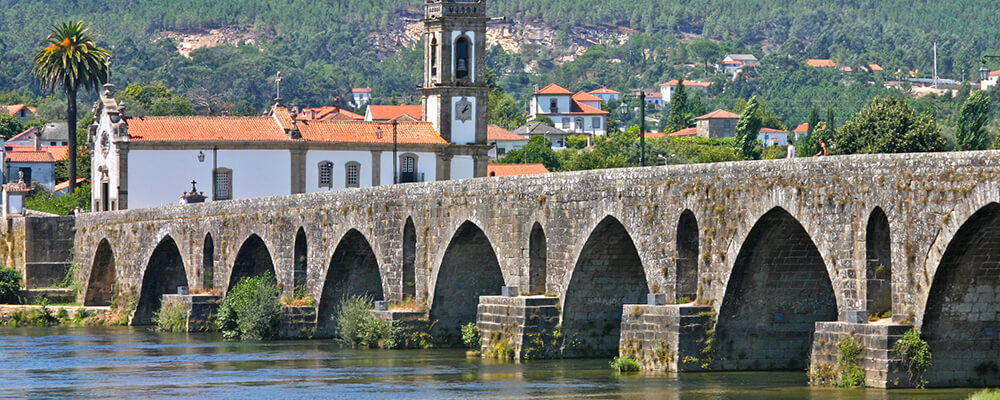
Ponte de Lima city, the oldest chartered village in Portugal, granted its charter by D. Teresa, the mother of the first King of Portugal, even before the founding of the kingdom. Located in northern Portugal, this historic town is famous for its medieval bridge, which was originally built by the Romans and gave rise to the name of the old village.
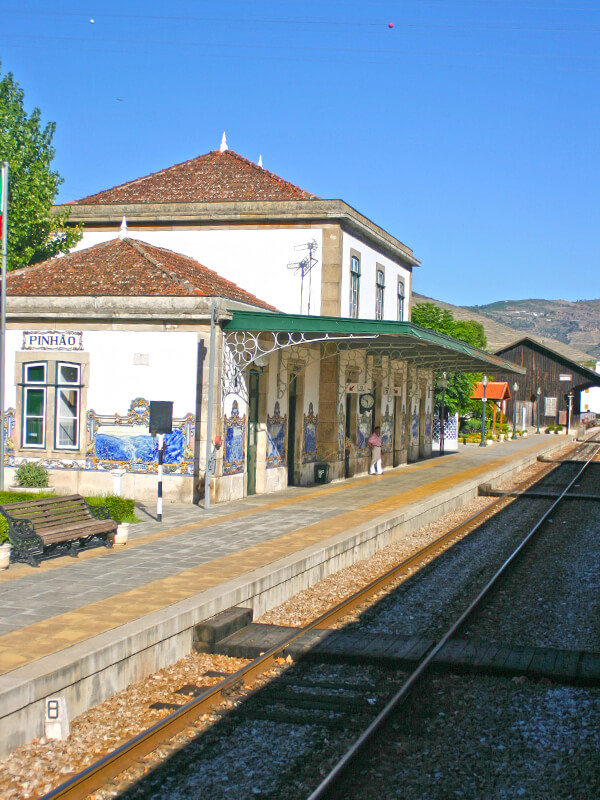
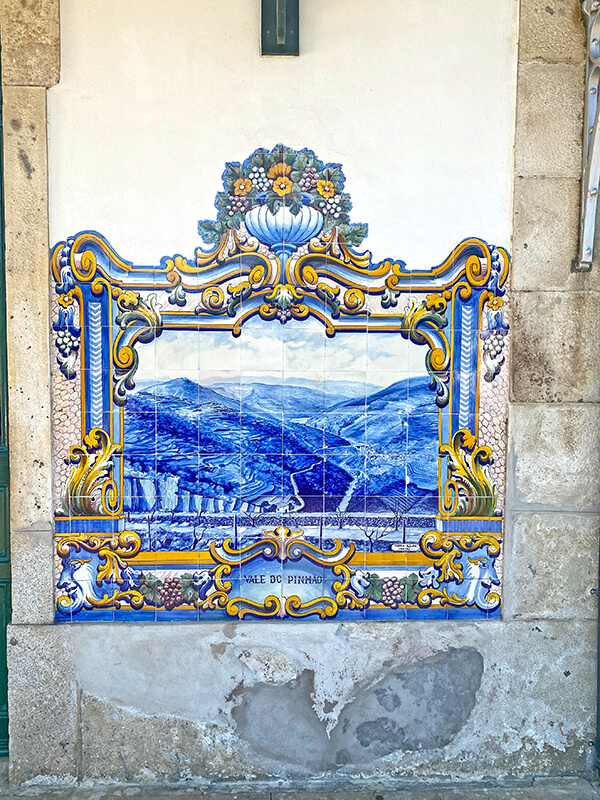
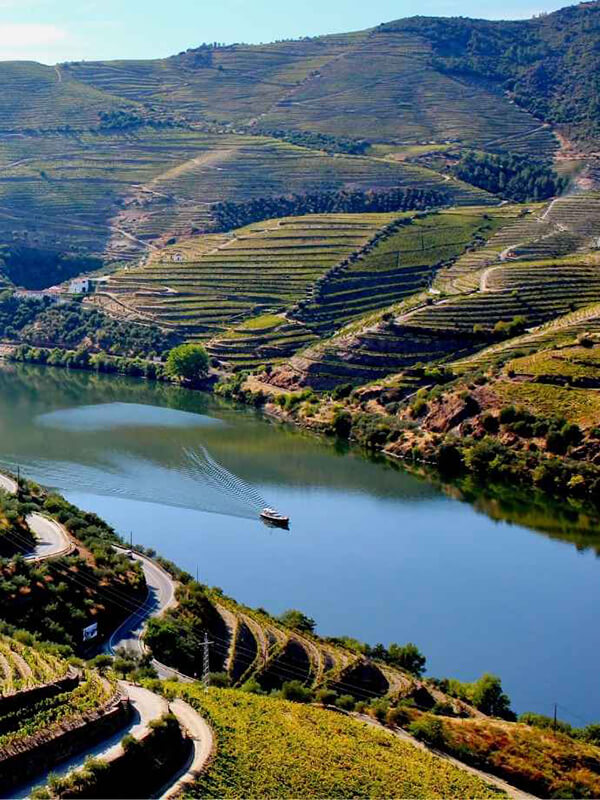
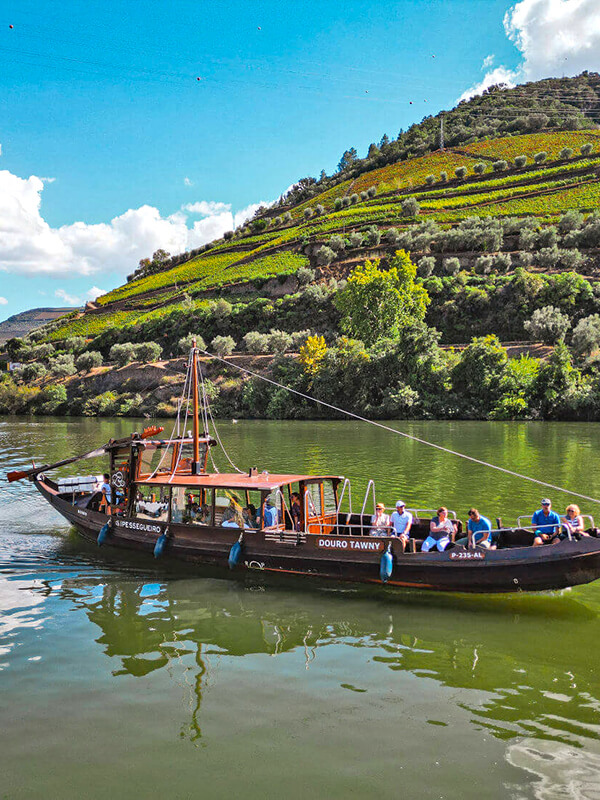
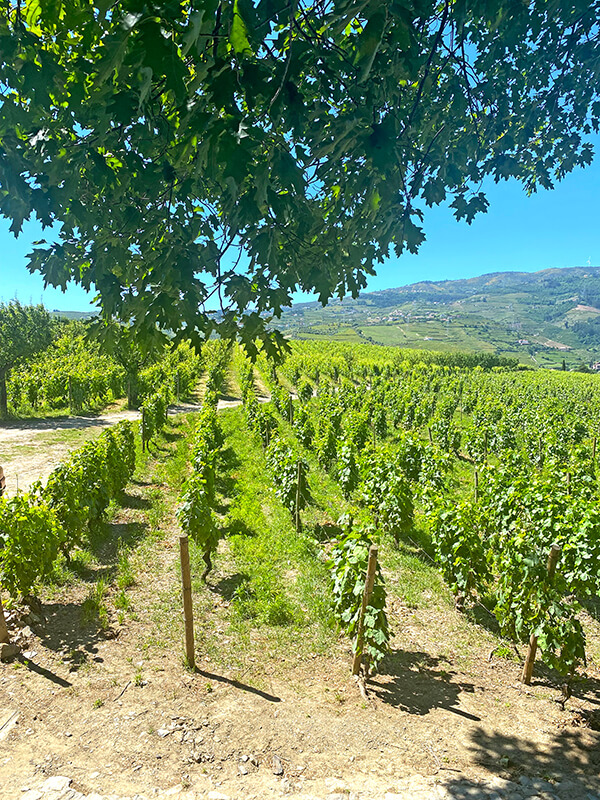
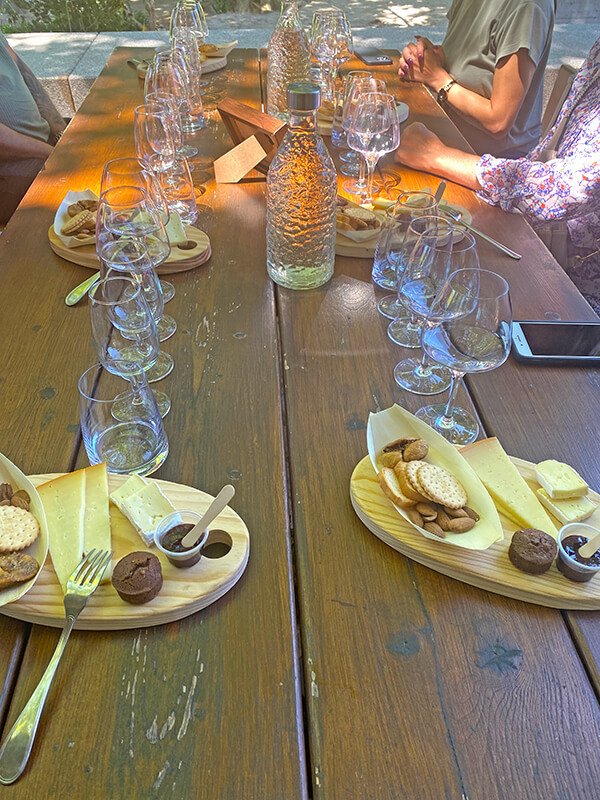
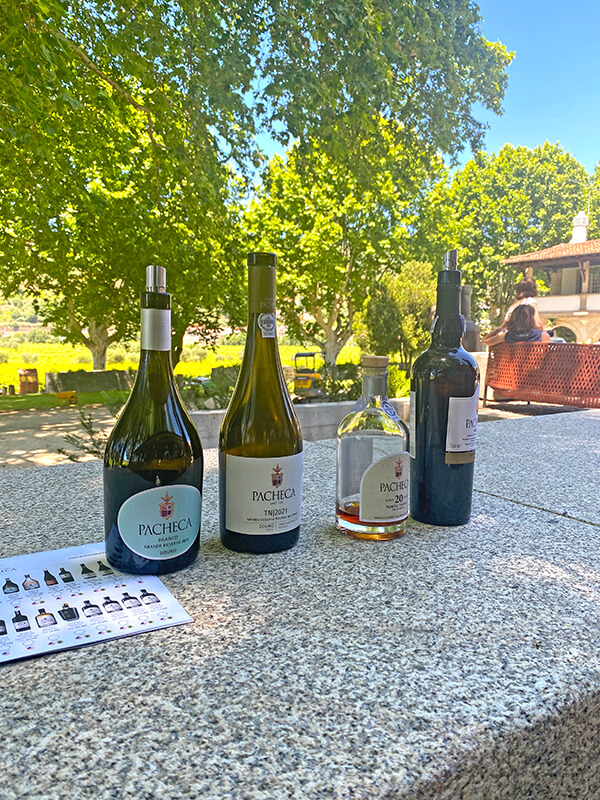
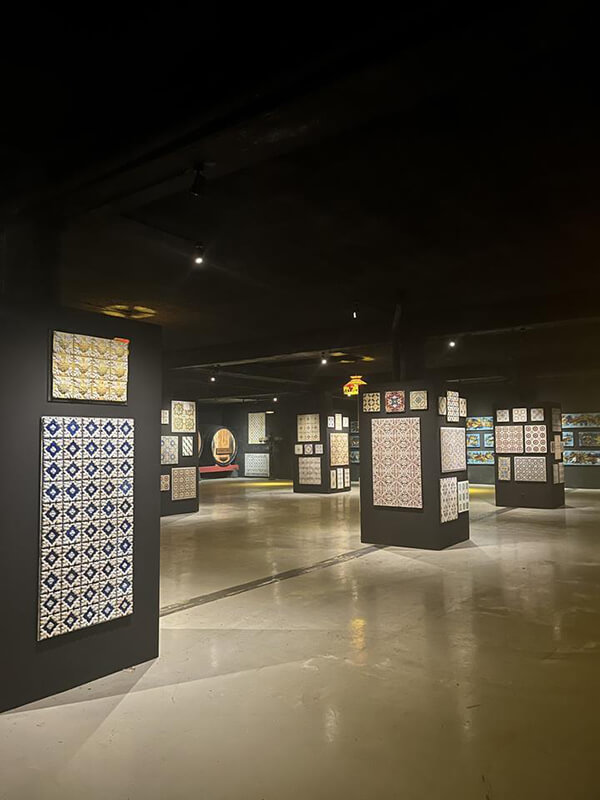
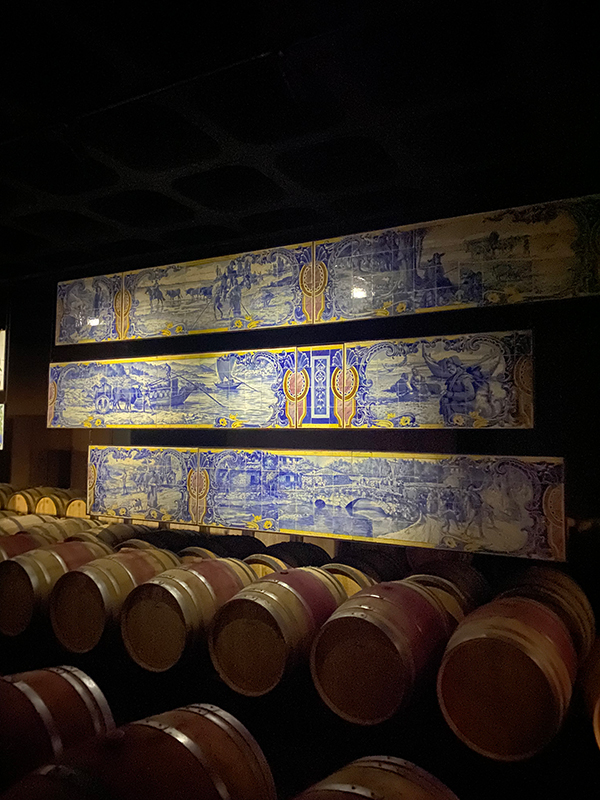
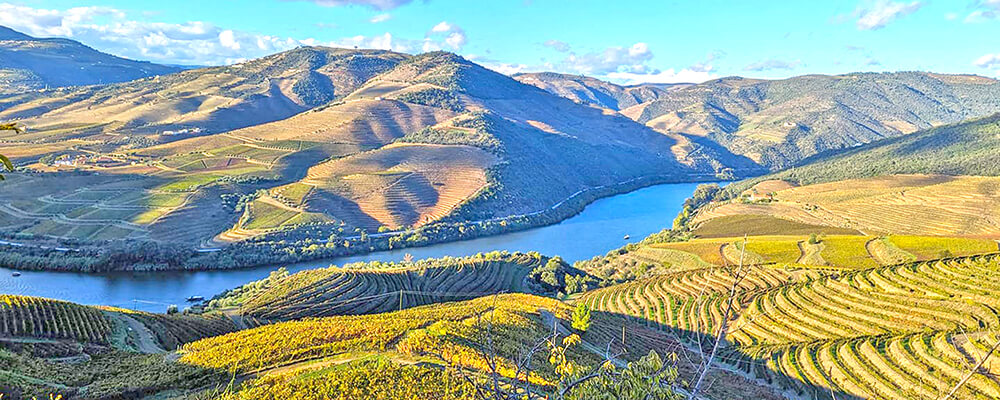
Breakfast at the hotel, check-out from Ponte de Lima hotel, van trip to Pinhão village to visit the train station and see the unique tiles panels, with some stops for breathtaking views. Get into a small boat tour along the river, where you’ll pass by picturesque villages and historic wine estates, all while learning about the production of the iconic fortified Port wine and Douro DOC. Lunch on traditional local restaurant. In the afternoon, will drive through a scenic national road till the wine estate hotel in Douro Valley area, check-in, free time to sightsee the estate, followed by a guided tour visit into the vineyards, wine production, cellars and Port and Douro DOC wine tasting paired with local snacks.
Overnight in Douro Valley.
Meals included: Breakfast and lunch
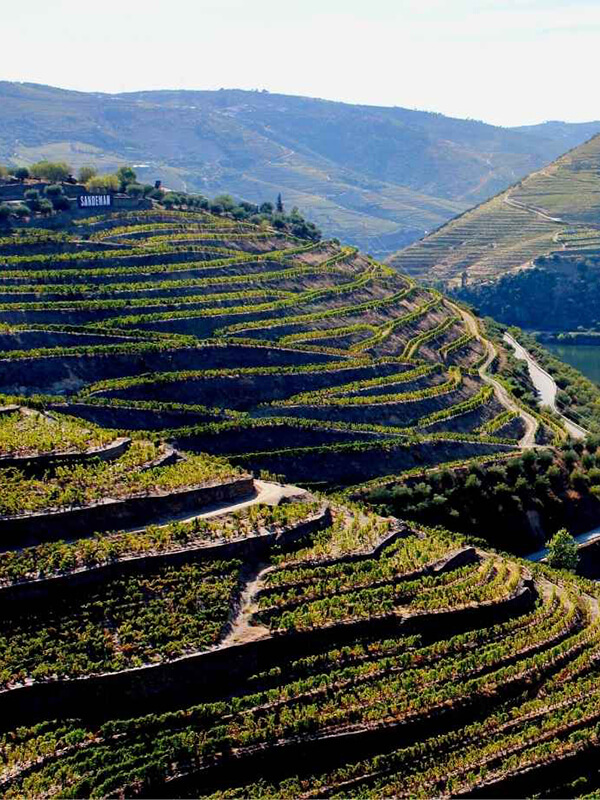
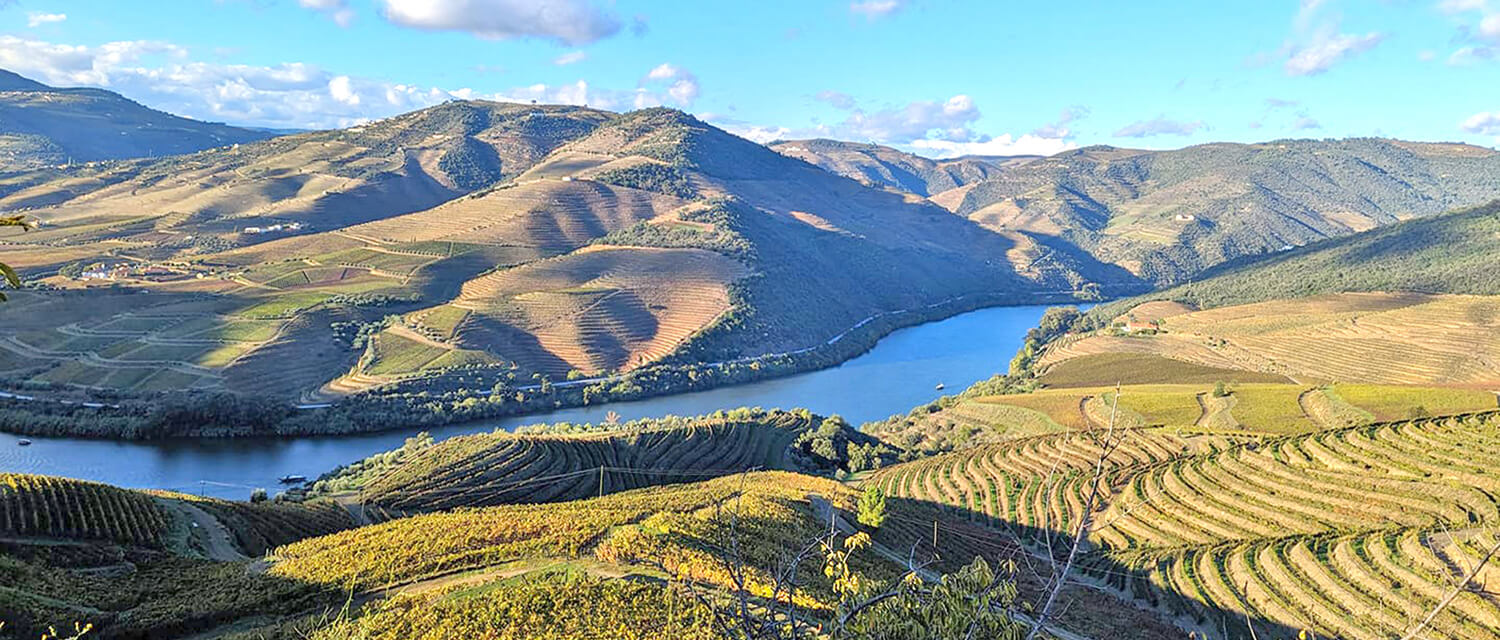
The Porto and Douro wine region and is one of Portugal’s most rugged and dramatic wine regions, shaped by the valley of the Douro River and steep slopes of schist soils. Human intervention is highly visible through thousands of vineyard terraces built along the hillsides. Due to its beauty and cultural importance, the Alto Douro Wine Region, established as first demarcated wine region in 1756, is recognized as a UNESCO World Heritage Site.
The region stretches from the Spanish border to about 90 km from the city of Porto. Surrounded by mountains and protected from Atlantic winds by the Serra do Marão, Douro has a dry climate with cold winters and very hot summers, becoming increasingly arid toward the eastern border.
Douro is the birthplace of Port Wine, one of Portugal’s most famous exports. In recent decades, the region has also gained international recognition for its high-quality Douro still wines, especially reds.
The region is divided into three sub-regions: Baixo Corgo, the coolest and rainiest with fertile soils and dense vineyards; Cima Corgo, considered the heart of Port wine production; and Douro Superior, the largest, hottest and driest area. Douro is also notable for its great diversity of indigenous grape varieties, often found in old vineyards planted with many different grapes together.
The dominant grape varieties are Tinta Barroca, Tinta Roriz, Touriga Franca and Touriga Nacional, selected for their excellence in producing Port Wine. The white varieties Malvasia Fina, Moscatel, Rabigato and Viosinho, and the red varieties Sousão and Tinta Amarela (Trincadeira).
A visit to the Douro Valley allows you to explore its rich history and the production of one of the world’s most sought-after wines.
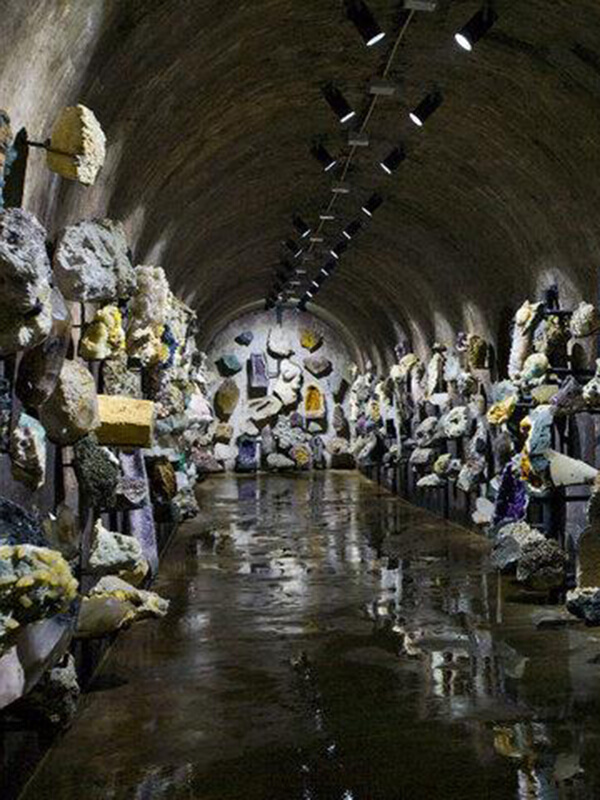
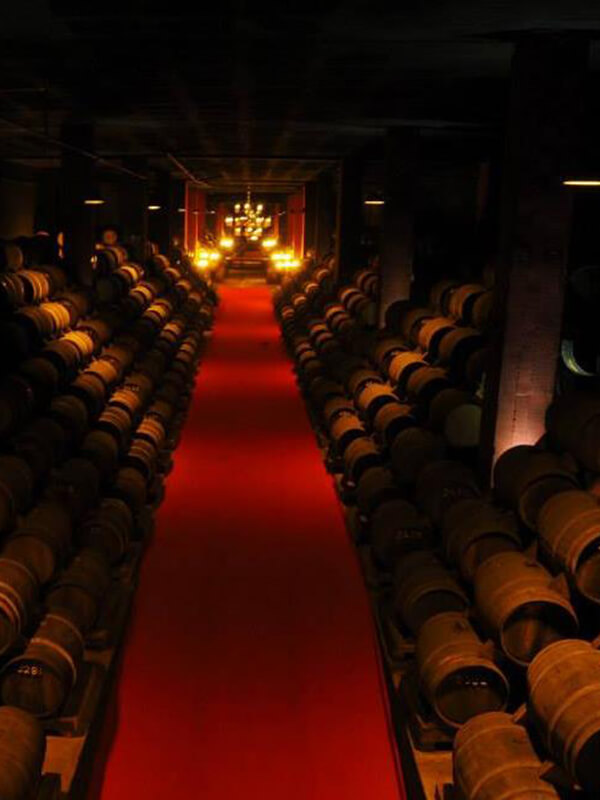
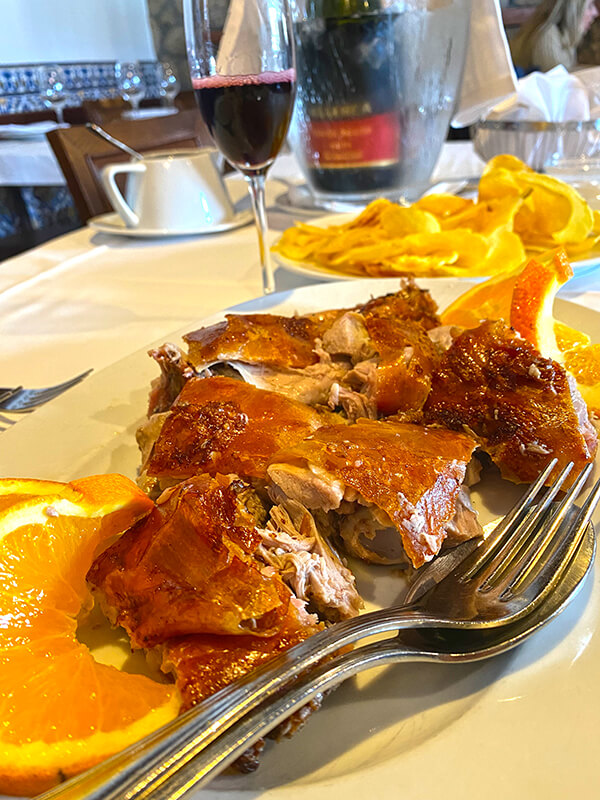
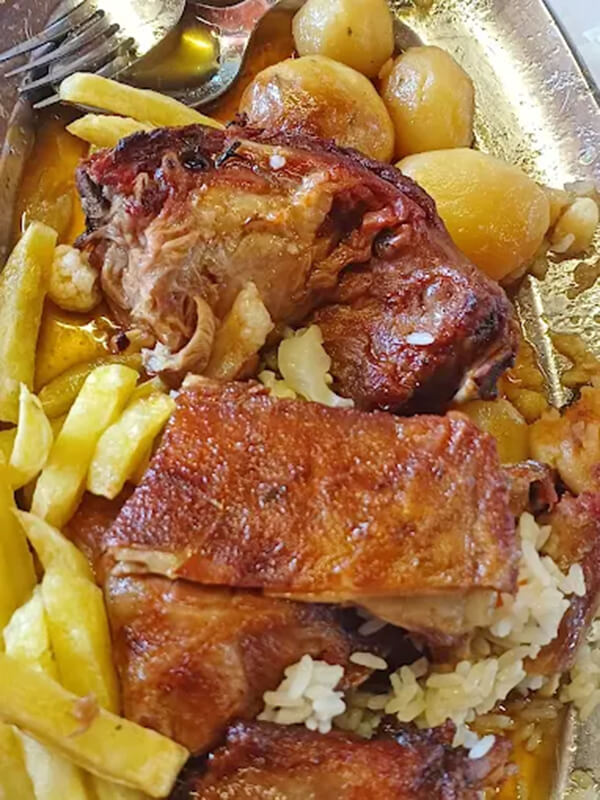
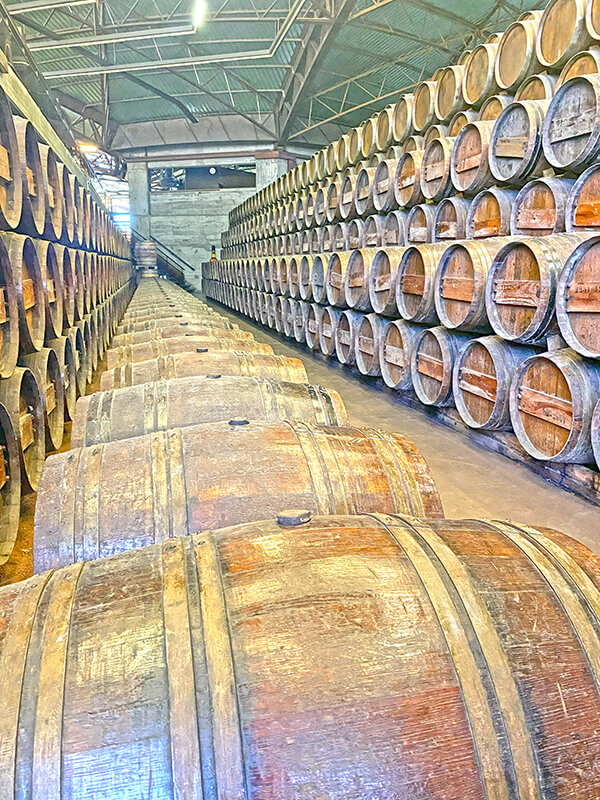
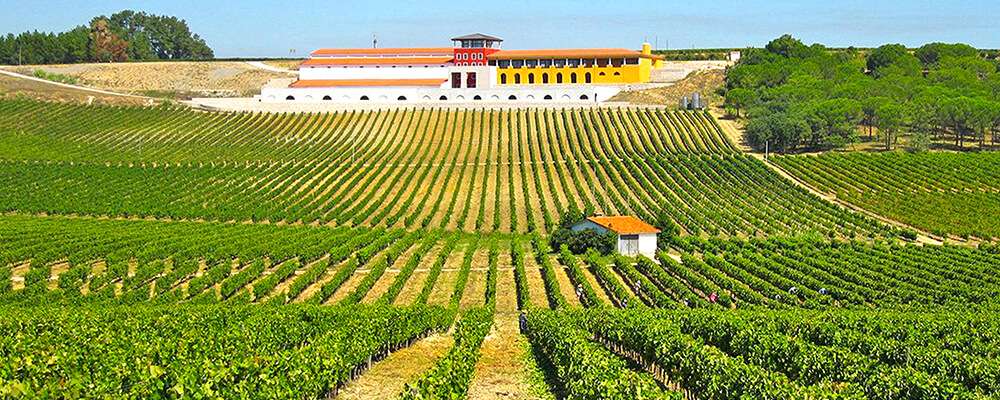
Breakfast at the hotel, check-out from Douro Valley hotel, van trip to Sangalhos, for a guided tour visit to Aliança Underground Museum where wine meets art, wine production, cellars and Sparkling and Red wine plus Aguardente Velha (aged firewater) DOC tasting paired with local snacks. Lunch on traditional local restaurant to try the local roasted suckling pig, a must in the area. Continue south to Sintra hotel in the Lisbon wine region.
Overnight in Sintra.
Meals included: Breakfast and lunch
The Bairrada wine region was the first region in Portugal to gain DOC status specifically for its sparkling wines in 1991, and it remains the country’s most important producer of this style.
A flat coastal region with strong Atlantic influence, abundant rainfall, and mild temperatures. Its soils vary between clay-limestone and sandy areas, creating different wine styles, and the land is divided into many small plots. The region was one of the first in Portugal to produce sparkling wines, supported by its cool, humid climate that yields grapes with high acidity and low alcohol.
Today, it combines traditional wines based mainly on the Baga grape with modern new bairradino styles that also use national and international varieties such as Chardonnay, Cabernet Sauvignon, Merlot, Pinot Noir, and Syrah.
The predominant white grape varieties are Fernão Pires (known as Maria Gomes in the region), Arinto, Bical, Cercial and Rabo de Ovelha. The reds varieties are Baga, Alfrocheiro, Tinta Pinheira and Touriga Nacional.
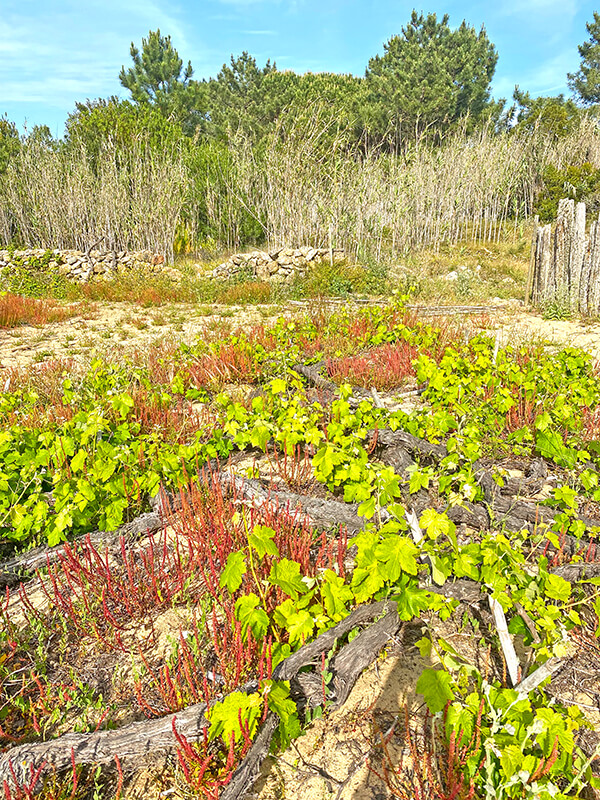
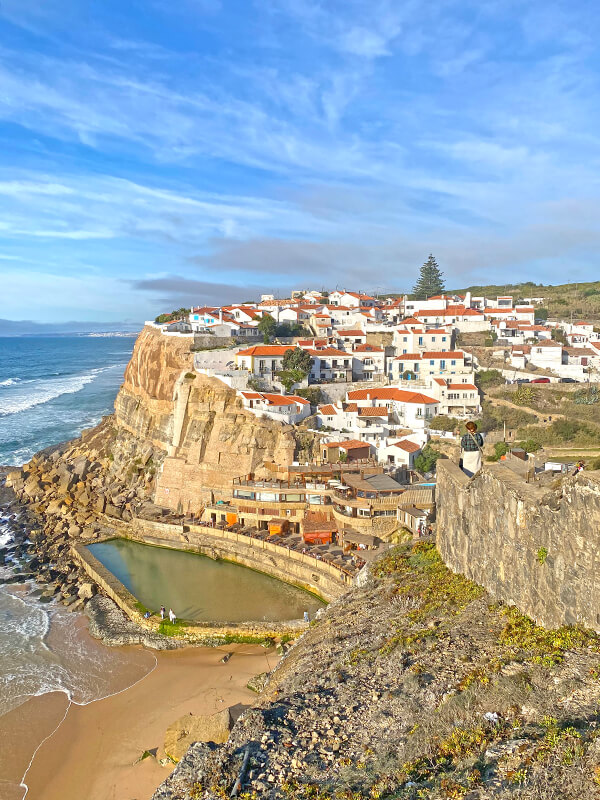
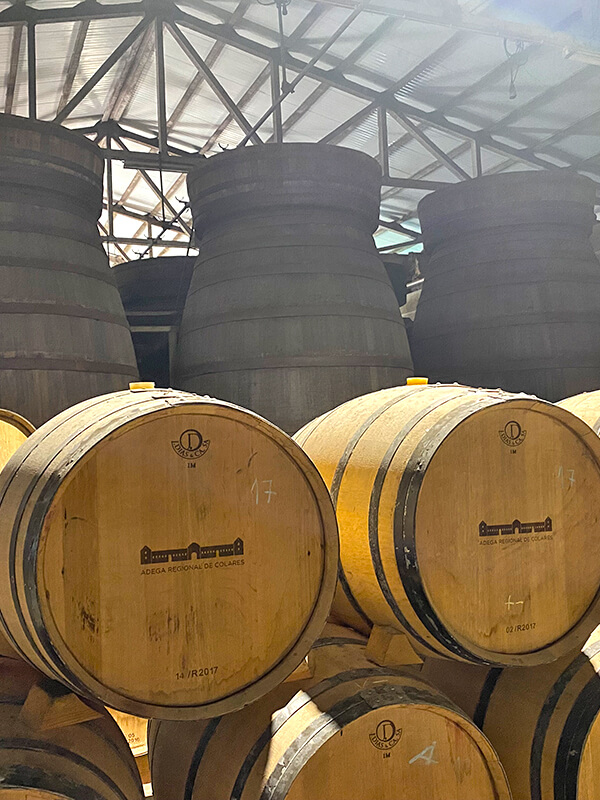
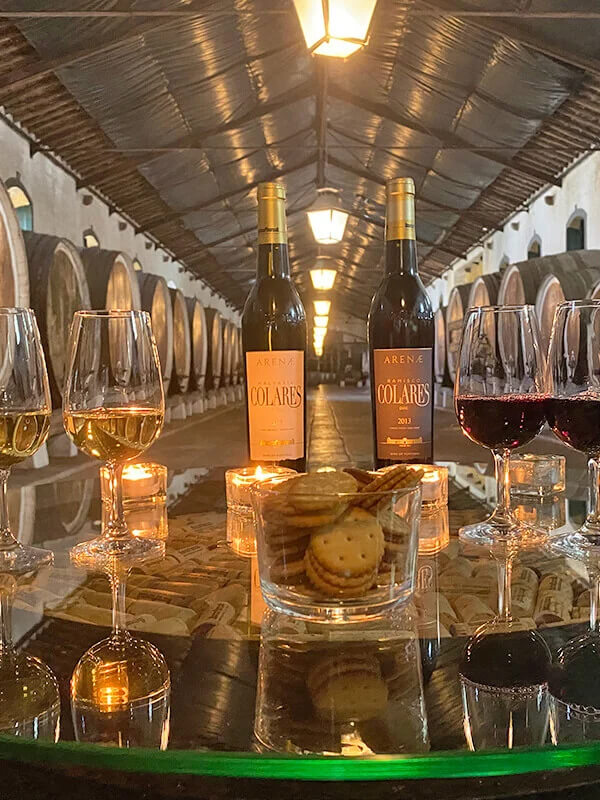
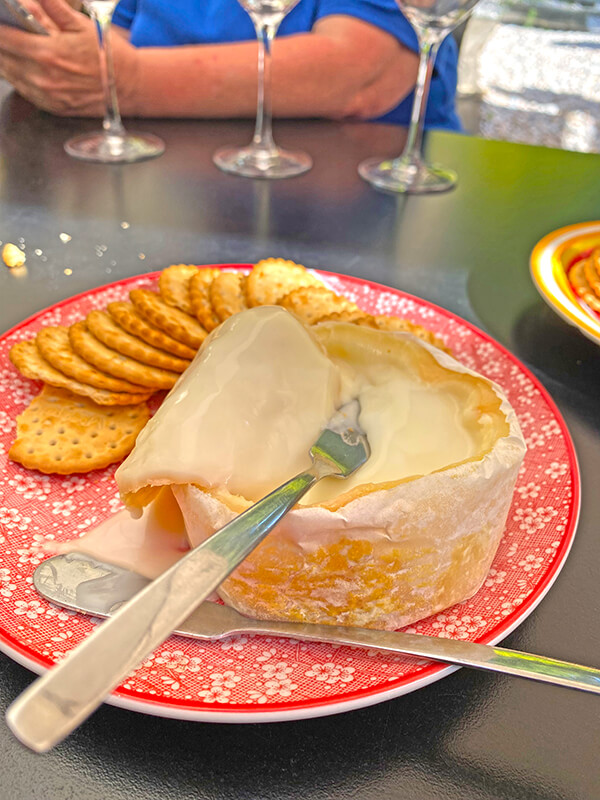
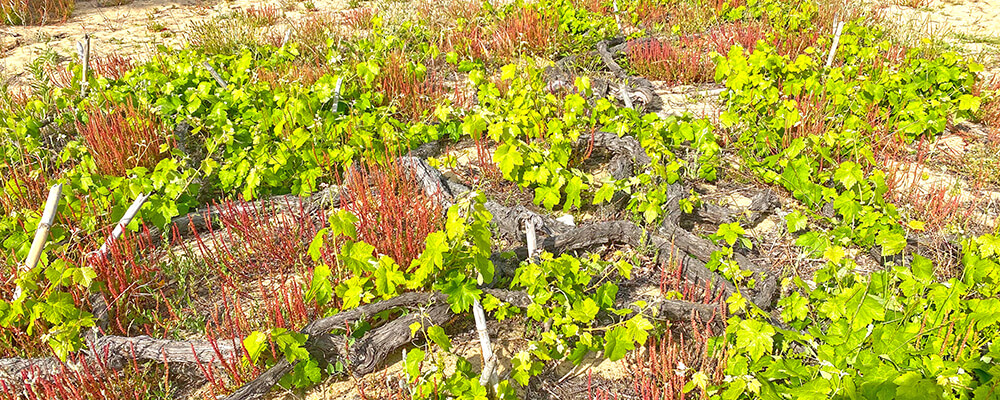
Breakfast at the hotel, check-out from Sintra hotel, van trip to Fontanelas village to visit the unique sand soils vineyards nearby the Atlantic Ocean, continue to Colares winery stopping in Azenhas do Mar village for the view, arriving at the Colares Cooperative Winery, the oldest in Portugal for a guided tour visit, wine production, cellars and Colares DOC wine tasting. Lunch on traditional local restaurant. In the afternoon, will drive south till Peninsula de Setúbal for visiting the Bacalhôa winery in Azeitão on a guided tour visit where wine meets art, vineyards, wine production, cellars and white wine, a red and the famous Moscatel de Setúbal DOC tasting with local cheese. Continue south to wine estate hotel in Alentejo area, check-in, free time to sightsee the estate.
Overnight in Alentejo.
Meals included: Breakfast and lunch
The Lisboa wine region, located along the Atlantic coast north of Lisbon, is one of Portugal’s most productive and diverse wine areas. Coastal vineyards are strongly influenced by the Atlantic, while inland vineyards benefit from a more Mediterranean climate due to protection from surrounding mountain ranges. Coastal wines are typically lighter with lower alcohol levels, and the soils range from clay-calcareous to sandy-clay.
The region includes nine denominations of origin grouped into three areas: Bucelas, Colares and Carcavelos near Lisbon in the south; Alenquer, Arruda, Lourinhã, Óbidos and Torres Vedras in the centre; and Encostas d’Aire in the north.
Among these, Bucelas is known for fresh, long-lived white wines made mainly from the Arinto grape. Colares is one of Portugal’s most unique appellations, producing wines from Ramisco vines grown in sandy coastal soils. Carcavelos, once famous for its fortified wines, has declined significantly due to urban expansion from Lisbon.
The dominant white grape varieties are Arinto, Fernão Pires, Malvasia, Seara-Nova and Vital, while the red varieties are Alicante Bouschet, Aragonez, Castelão, Tinta Miúda, Touriga Franca, Touriga Nacional and Trincadeira, as well as international varieties such as Chardonnay, Cabernet Sauvignon and Syrah.
The Península de Setúbal wine region features diverse landscapes, ranging from flat sandy plains to the mountainous Serra da Arrábida, with soils that vary between deep sands and limestone or clay-calcareous formations. The region has a Mediterranean climate with hot, dry summers and mild, rainy winters, while Serra da Arrábida experiences slightly more Atlantic influence due to its altitude and proximity to the sea.
It is the birthplace of Moscatel de Setúbal, one of Portugal’s most famous fortified wines. The region includes the appellations Palmela and Setúbal, as well as the geographical indication Península de Setúbal. The Setúbal designation is specifically reserved for Moscatel de Setúbal and Moscatel Roxo wines.
The dominant white grape varieties are Arinto and Fernão Pires, as well as Moscatel Graúdo, which is used mainly in the region’s fortified wines. The red varieties are Castelão and Trincadeira.
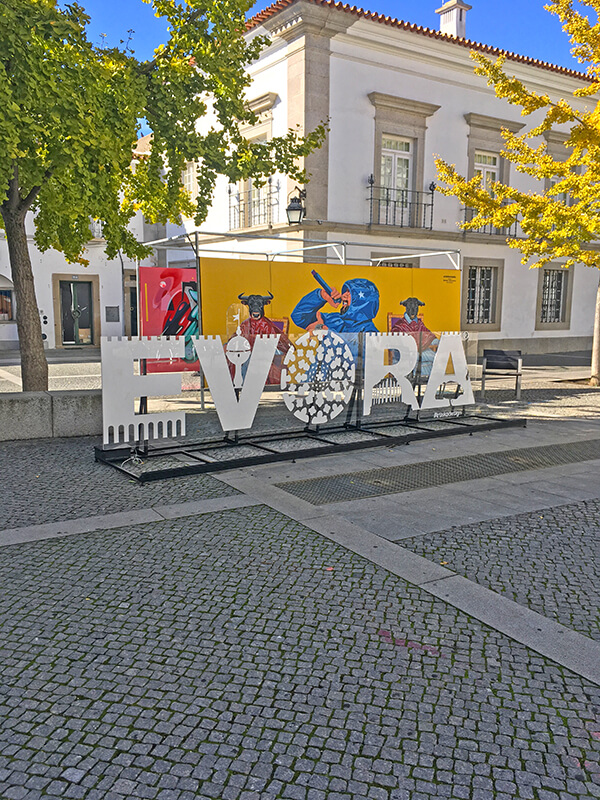
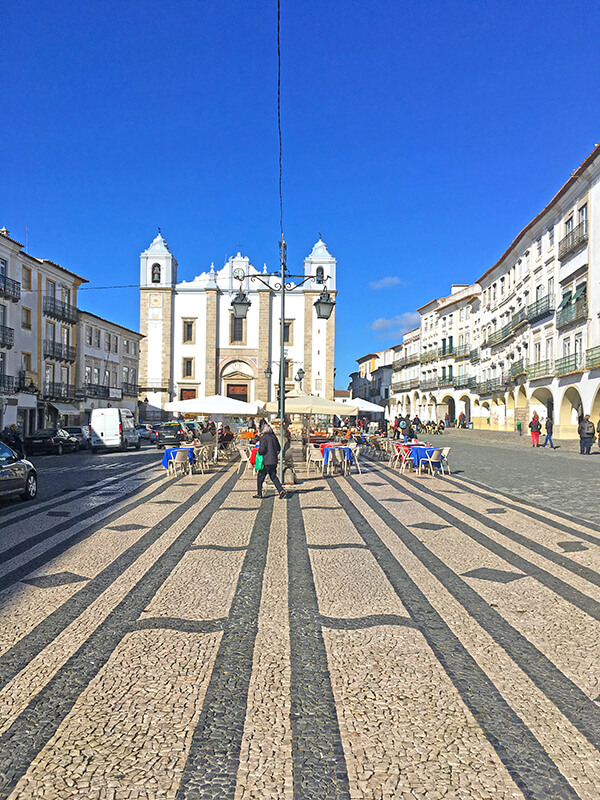
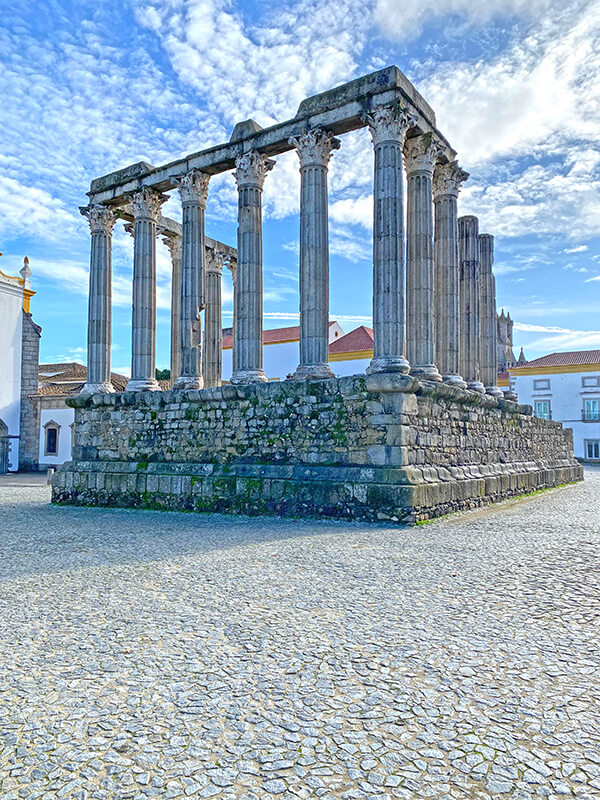
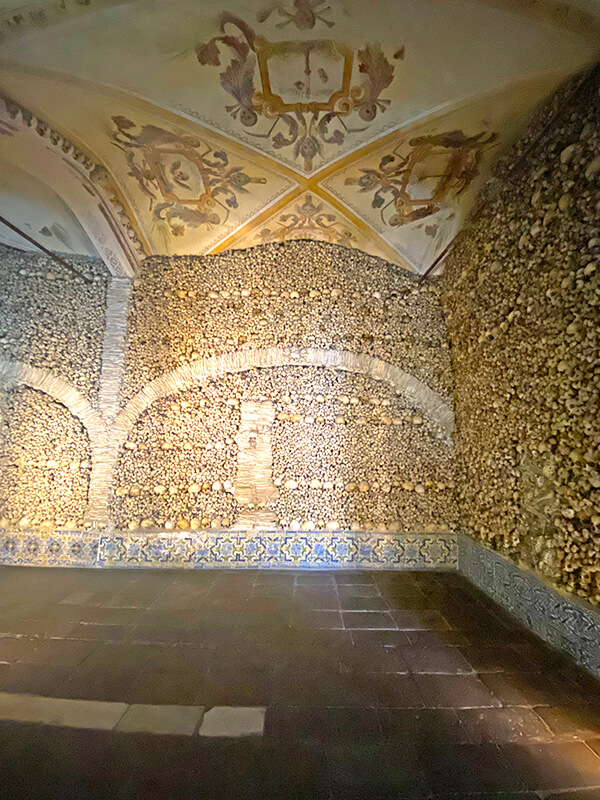
Breakfast at the hotel, van trip to visit Évora town, UNESCO World Heritage since 1986 and European Capital of Culture in 2027, city where whitewashed houses and Roman ruins share the same skyline. Évora is heir to a rich and diverse cultural heritage, built and preserved over millennia. Inhabited since the Neolithic period, its squares and monuments reflect the local and national history, religion, and culture of a people proud of their past and present. Walk through the main square Praça do Giraldo and the Roman Temple build BC in honor to Augusto Emperor. Step inside the Capela dos Ossos, a striking 17th century chapel lined with human bones and filled with quiet reflection. Lunch on traditional local restaurant. In the afternoon, will go to a Cartuxa winery, one of Portugal’s most distinguished wine estates, carrying a rich history that dates back to the 16th century for a guided tour visit into the vineyards, wine production, cellars and Alentejo DOC wine tasting plus olive oils with bread. Return to the wine estate hotel.
Overnight in Alentejo.
Meals included: Breakfast and lunch
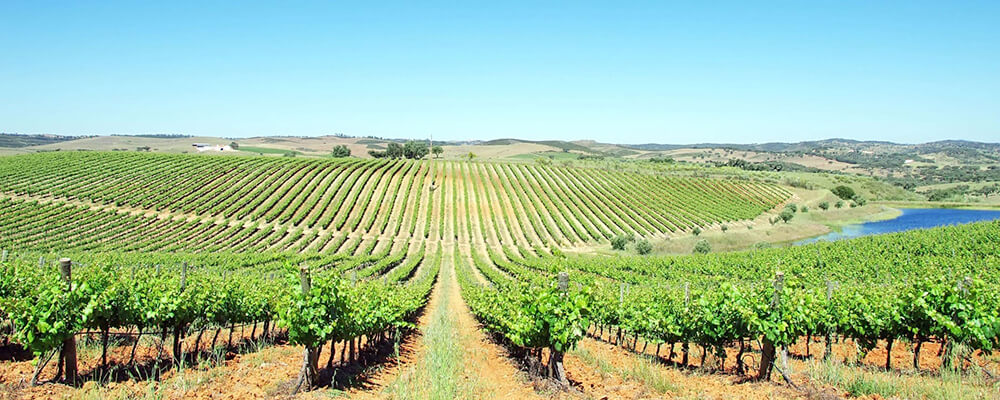
The Alentejo wine region covers almost a third of mainland Portugal and is characterized by wide rolling plains and a generally flat landscape, except for the Serra de São Mamede in the north. The soils are very diverse, including schist, clay, marble, granite and limestone. The climate is Mediterranean, with hot, dry summers and strong continental influence.
Alentejo is divided into eight sub-regions: Borba, Évora, Granja-Amareleja, Moura, Portalegre, Redondo, Reguengos and Vidigueira. Portalegre stands out for its granite soils and cooler conditions influenced by the Serra de São Mamede, producing fresh and complex wines from old hillside vineyards.
The central sub-regions, Borba, Évora, Redondo and Reguengos, represent the classic Alentejo style, balancing fruit, freshness and softness. In the south, Granja-Amareleja, Moura and Vidigueira produce warmer, softer wines due to the hotter climate and poorer, drier soils.
The dominant white grape varieties are Antão Vaz, Arinto and Roupeiro, as well as the now underrated Diagalves, Manteúdo, Perrum and Rabo de Ovelha. The red varieties are Alfrocheiro, Alicante Bouschet, Aragonez, Castelão and Trincadeira, as well as the underrated Moreto, Tinta Caiada and Tinta Grossa.
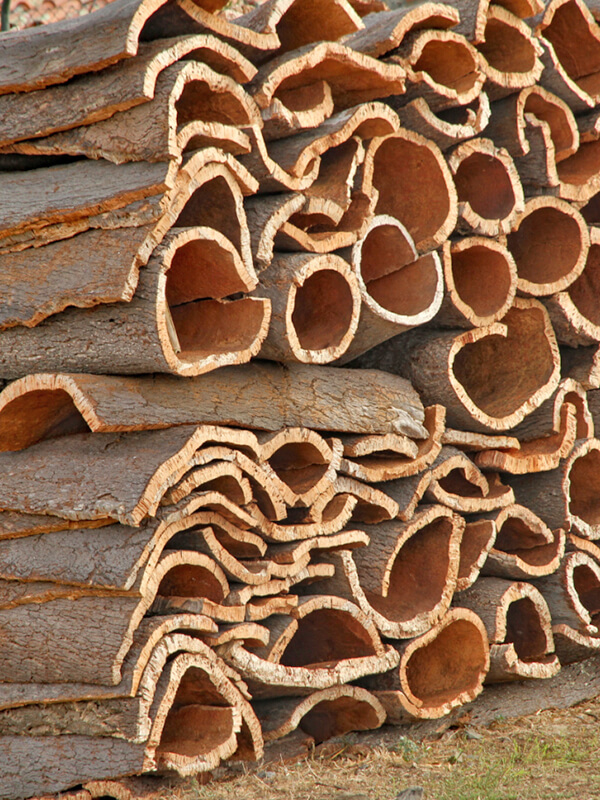
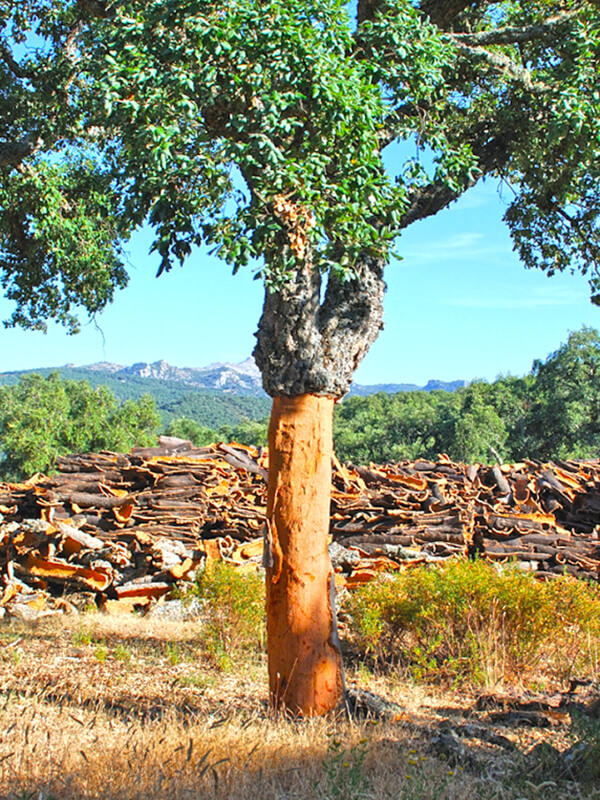
Breakfast at the hotel, van trip to visit a cork farm to learn all about this national natural raw material and ending with some local snacks. Back on the van, will head south to Vidigueira town, where whitewashed houses and Roman ruins share the same skyline, for a lunch on traditional local restaurant. In the afternoon, will visit the ancient vineyards and discover the uniqueness of the ancient Alentejo landscape, followed by a short drive to the winery for a guided tour visit into the vineyards, wine production, cellars and Vinho da Talha DOC wine tasting paired with local snacks. Return to the wine estate hotel for free time.
Overnight in Alentejo.
Meals included: Breakfast and lunch
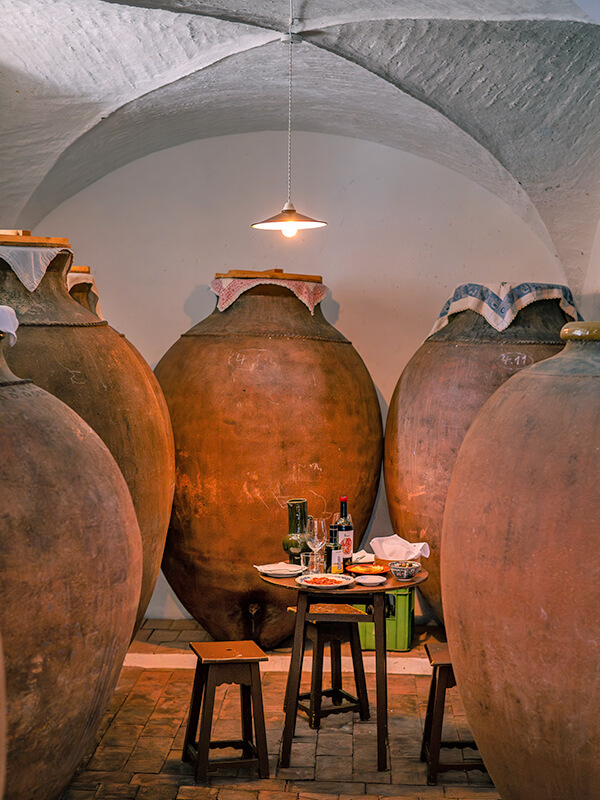
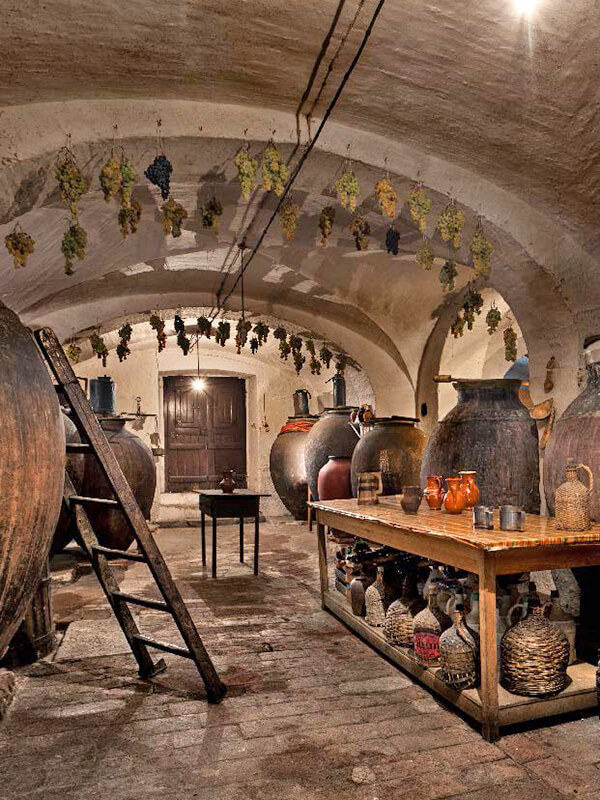
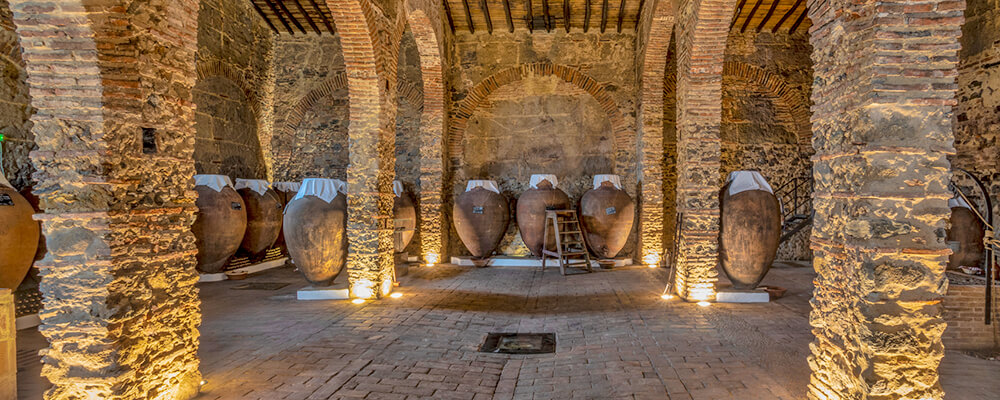
Amphora wines in Vidigueira are part of one of Portugal’s oldest winemaking traditions. Known locally as Vinho de Talha, these wines are fermented and aged in large clay amphorae called talhas, a technique introduced by the Romans more than 2,000 years ago.
In Vidigueira, located in the Alentejo region, this tradition has been preserved for generations. Grapes are crushed and placed inside the clay amphorae together with skins, seeds and sometimes stems. Fermentation happens naturally inside the talha, and the wine remains there for several months. The amphorae often have a small tap near the bottom used to draw the wine once fermentation and clarification are complete.
The porous clay allows a gentle exchange of oxygen, giving the wines a distinctive texture and complex aromas. Amphora wines from Vidigueira are typically rustic yet elegant, often showing notes of dried herbs, citrus peel, nuts and earthy minerality.
Today, Vinho de Talha is recognized as an important cultural heritage of the region and has received a Vinho de Talha DOC classification within the Alentejo wine regulations. Many producers in and around Vidigueira continue to use traditional clay vessels, combining ancient techniques with modern quality standards.
Every year in November, the region celebrates the opening of the amphorae during São Martinho, when the new Vinho de Talha is tasted and shared, keeping alive a winemaking practice that dates back to Roman times.
The dominant grape varieties are Antão Vaz, Larião, Diagalves, Manteúdo, Perrum e Síria.
Breakfast at the hotel, check-out from the Alentejo hotel, if the flight schedule allows it, possible lunch on traditional local restaurant and departure to Lisbon airport.
Meal included: Breakfast