A tour through some of Portugal’s most unique UNESCO sites, taking in cultural landmarks, biosphere reserves, geoparks and the intangible heritage of Fado and the Mediterranean diet.
Welcome you at Lisbon airport, van trip to the hotel in Lisbon area, check-in, free time to explore the surrounding area, followed by a traditional welcome dinner on a local Fado show restaurant and return to hotel. Overnight in Lisbon.
Lisbon, one of the oldest cities in Europe, captivates visitors with its rich history and vibrant atmosphere. Set along the Tagus River, it blends traditional neighborhoods like Alfama with a modern and dynamic cultural scene. Its viewpoints offer stunning panoramas, while the local cuisine and fado music provide authentic and unforgettable experiences. An ideal destination for those seeking culture, charm, and authenticity.
Fado is a deeply emotional urban music style that expresses longing, nostalgia, and identity. Originating in Lisbon, its soulful melodies and poetic lyrics reflect themes of love, loss, and the passage of time. Recognized as a UNESCO Intangible Cultural Heritage of Humanity since 2011, Fado remains a powerful symbol of Portuguese culture, best experienced in intimate performances that capture its raw and heartfelt essence.

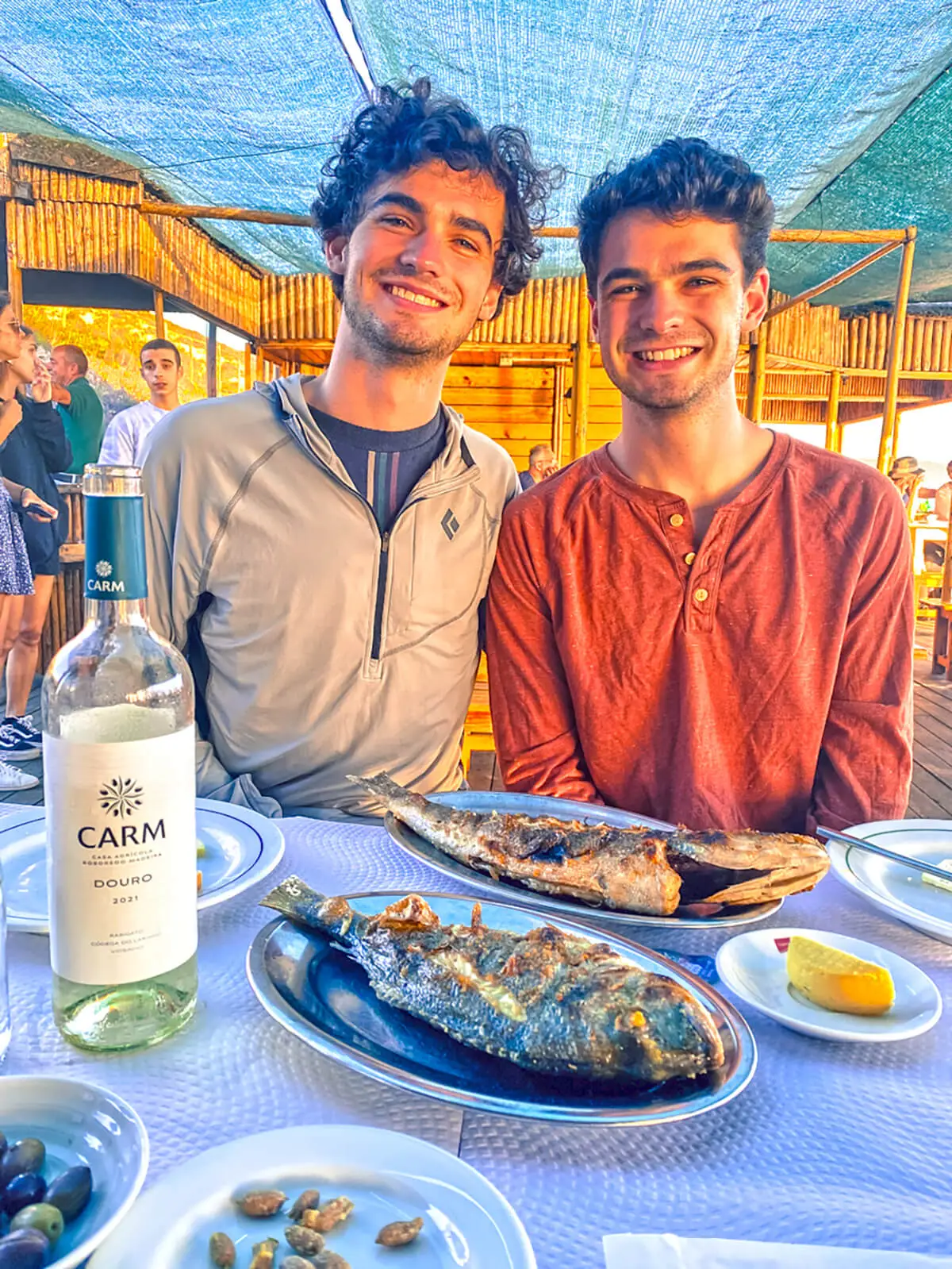
Breakfast at the hotel, van trip to visit Arrábida Natural Park, starting in Setúbal to visit a local food market, continuing by the mountain through scenic roads and breathtaking views, with some stops for pictures, till Portinho da Arrábida beach for lunch at a local beachside restaurant. In the afternoon, will continue to Azeitão village, try the local sweet “Torta de Azeitão” (tart with eggs, corn flour, cinnamon and egg cream) and stroll the historic streets of the village. Back on the van, and in a short ride, continue for a guided visit and tiles workshop to experience first-hand the feeling of painting your own tile to take home. Return to the hotel. Overnight in Lisbon.
Arrábida Natural Park, one of the 13 UNESCO Biosphere Reserves in Portugal, since 2025, is a stunning coastal sanctuary near Setúbal. This unique landscape blends dramatic limestone cliffs, lush forests, and rich Mediterranean biodiversity, creating a haven for nature lovers. Overlooking the Atlantic, it offers crystal-clear waters, secluded beaches, and scenic viewpoints, making it an ideal destination for relaxation and outdoor exploration.

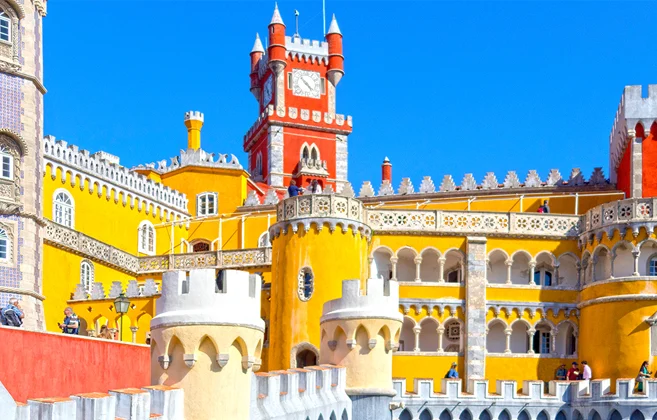
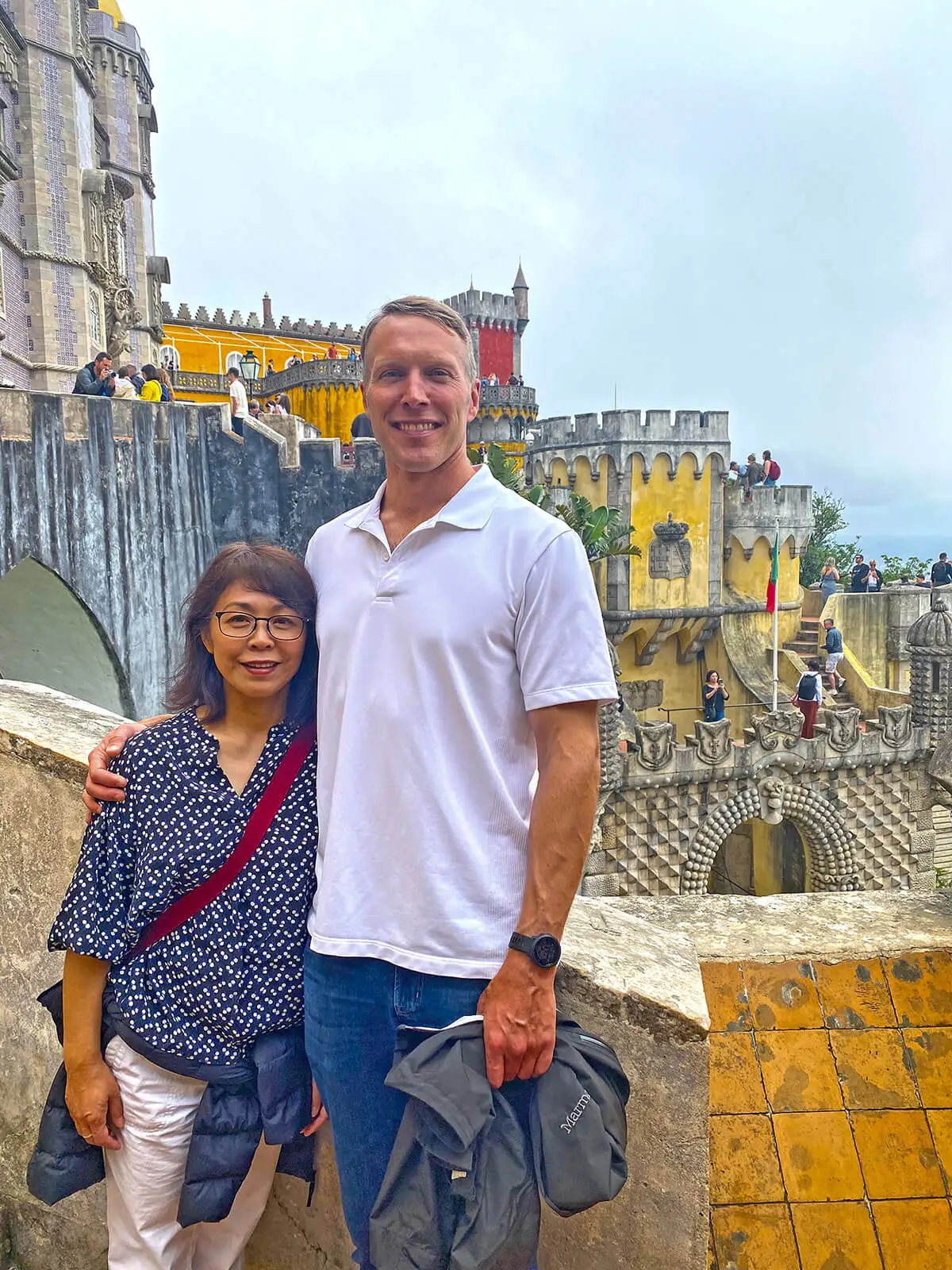
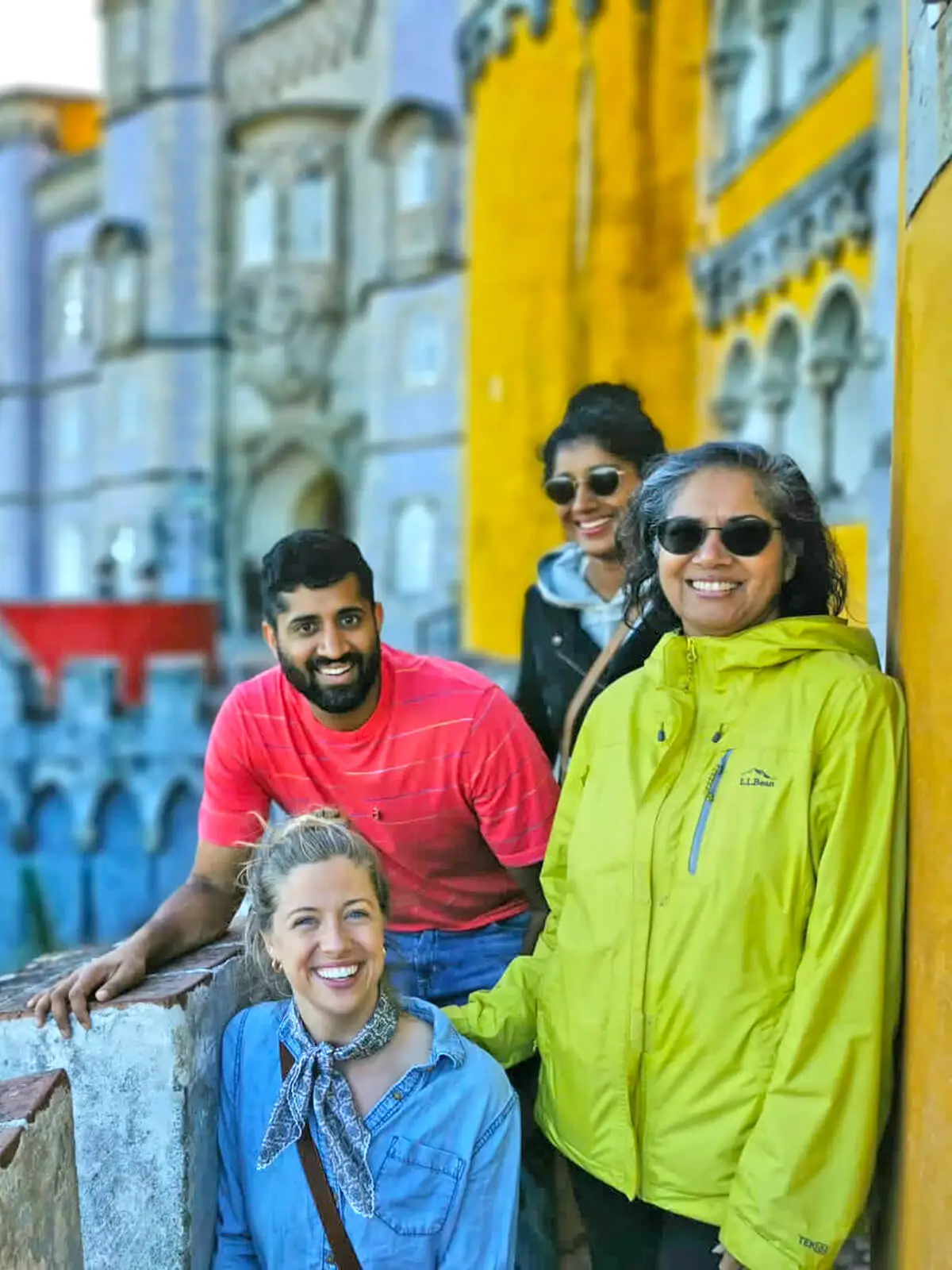
Breakfast at the hotel, van trip to Sintra village, a UNESCO World Heritage site since 1995, a magical village that seems straight out of a fairy tale. Try the local sweet “Travesseiros de Sintra” (a buttery, almond-filled sweet that’s a Sintra classic). Step inside the whimsical National Palace of Pena: a riot of colors and Romantic architecture perched high above the clouds or choose to explore the enigmatic Quinta da Regaleira, filled with spiral wells, secret tunnels and symbolism tied to the Templars and Freemasonry. Back on the van to go lunch on traditional local restaurant. In the afternoon, will drive through the scenic Sintra-Cascais Natural Park roads till the Cascais on a sightseeing, continuing to Belém by the national scenic road on the beach and river side, stopping in the Tower of Belém and after Monastery of the Jerónimos for a visit. After visiting these Manueline architectural masterpieces celebrating Portugal’s Age of Discoveries, we couldn’t go away without trying the local “Pastéis de Belém” (a crispy, flaky puff pastry shell filled with a creamy, lightly sweet egg custard). Return to the hotel. Overnight in Lisbon.
Sintra, a UNESCO World Heritage Site recognized as the Cultural Landscape of Sintra since 1995, is a magical destination set among misty hills. This romantic landscape is filled with enchanting palaces, lush gardens, and dense forests, creating an atmosphere that feels straight out of a fairytale, with colorful hilltop castles and hidden estates, offering a unique blend of history, nature, and charm, making it an unforgettable escape.
In Belém, The Monastery of the Jerónimos and the Tower of Belém are outstanding Manueline architectural masterpieces, a UNESCO World Heritage Site since 1983, built during 16th and 17th Century, that celebrate Portugal’s Age of Discoveries. Located along Lisbon’s waterfront, these iconic landmarks symbolize the nation’s maritime heritage, honoring the voyages that connected Portugal to the wider world. Rich in intricate detail and historical significance, they offer visitors a glimpse into a golden era of exploration, power, and cultural exchange.

Breakfast at the hotel, van trip to Évora town. Walk the cobbled streets of Évora where whitewashed houses and Roman ruins share the same skyline. Try the local sweets “Queijadas de Évora” (wheat flour, small fresh sheep’s cheeses, egg yolks, sugar and butter) and the “Pastéis de Toucinho” (sugar, unsalted bacon minced in a food processor, peeled and ground almonds, and beaten egg yolks). Explore the main square Praça do Giraldo and the Roman Temple build BC in honor to Augusto Emperor. Step inside the Capela dos Ossos, a striking 17th-century chapel lined with human bones and filled with quiet reflection. Lunch on traditional local restaurant. In the afternoon, will go to a Cartuxa winery, one of Portugal’s most distinguished wine estates, carrying a rich history that dates back to the 16th century for a guided tour visit and Alentejo wine tasting plus olive oils. Return to the hotel. Overnight in Lisbon.
Évora, whose Historic Centre is a UNESCO World Heritage Site since 1986, is a true living museum in the heart of the Alentejo. The city showcases an extraordinary blend of Roman temples, medieval walls, and Renaissance architecture, reflecting a rich and diverse cultural heritage shaped over millennia. Inhabited since the Neolithic period, Évora’s squares, streets, and monuments tell the story of its people, their history, faith, and traditions. making it a destination where the past and present coexist in remarkable harmony.

Breakfast at the hotel, check-out from Lisbon hotel, van trip to Alcobaça town, try the local sweet “Cornucópias” (wheat flour, salt, water and melted butter or lard), visit the Monastery of Alcobaça, Portugal’s first Gothic monastery founded. Lunch on traditional local restaurant. In the afternoon, will drive north till Batalha town, visit the Monastery of Batalha, a striking Gothic monastery to commemorate Portugal’s victory at the Battle of Aljubarrota. Continuing heading north to Coimbra hotel, check-in, free time to explore the surrounding area. Overnight in Coimbra.
The Monastery of Alcobaça, Portugal’s first Gothic monastery founded on the 12th Century, a UNESCO World Heritage site since 1989, stands as a remarkable symbol of Cistercian architecture and spiritual heritage. Known for its grandeur and harmonious design, it reflects the simplicity and elegance of monastic life. Inside, it houses the iconic tombs of King Pedro I and Inês de Castro, whose tragic love story has become one of Portugal’s most enduring legends, adding a deeply human and emotional dimension to this historic site.
The Monastery of Batalha is a striking Gothic masterpiece built in between the 14th and 16th Century, to commemorate Portugal’s victory at the Battle of Aljubarrota. A UNESCO World Heritage site since 1983, renowned for its intricate stonework and impressive architectural detail, it stands as a symbol of national pride and independence. Its famous Unfinished Chapels add a unique and captivating element, offering visitors a glimpse into the monument’s ambitious vision and enduring legacy.

Breakfast at the hotel, check-out from Coimbra hotel, van trip to the University of Coimbra, one of Europe’s oldest universities and a UNESCO World Heritage site, for a visit to the Baroque Library and the Royal Palace. Lunch on traditional local restaurant. In the afternoon, will drive north till Porto hotel, check-in, free time to explore the surrounding area. Overnight in Porto.
The University of Coimbra – Alta and Sofia, a UNESCO World Heritage Site since 2013, is one of Europe’s oldest and most prestigious universities. Set on a hill overlooking Coimbra, this historic academic city has evolved over more than seven centuries, blending knowledge, tradition, and architectural beauty.
The site encompasses the medieval Alta (Uptown) district and the 16th-century buildings along Sofia Street, including remarkable landmarks such as the Joanine Library and the Royal Palace. Originally built at the end of the 10th century as a fortress during Islamic rule, the palace later became the first Portuguese royal residence in 1131, home to Afonso Henriques, the country’s first king.
Rich in academic heritage, the university remains alive with traditions, libraries, and student rituals, offering visitors a unique journey through Portugal’s intellectual and cultural history.

Breakfast at the hotel, van trip to Porto, a UNESCO World Heritage site. Walk for a visit through the Bolhão food market, be mesmerized by the outside tile panels in the Capela das Almas and inside the São Bento train station. Lunch on traditional local restaurant to try the “Francesinha”, a sandwich characterized by layers of sliced bread, different meats (steak, ham, sausage and chorizo), cheese and a spicy sauce, usually served with French fries. In the afternoon, continue to the vibrant riverside city with medieval streets, tiled facades, and iconic bridges overlooking the Douro River, cross the Luiz I Bridge to Vila Nova de Gaia side for a guided visit and port wine taste. Return to the hotel. Overnight in Porto.
The Historic Centre of Porto, Luiz I Bridge & Serra do Pilar are a UNESCO World Heritage Site since 1996. This vibrant riverside city captivates visitors with its medieval streets, colorful tiled façades, and iconic bridges spanning the Douro River. Rich in history and atmosphere, Porto offers a unique blend of tradition, culture, and scenic beauty.
The origins of Portugal’s name are deeply connected to this region. Derived from “Portucale” a combination of the Latin Portus (port) and the Celtic name Cale, it originally referred to a settlement at the mouth of the Douro River, spanning both banks, today’s Porto and Vila Nova de Gaia. Over time, Portucale expanded into a broader territory, eventually giving rise to the County of Portucale and, ultimately, the nation of Portugal itself.

Breakfast at the hotel, van trip to Arouca, a UNESCO Global Geopark. Be brave, and cross the A516 Arouca, one of the longest pedestrian suspension bridges in the world with 516 meters long and 175 meters high above Paiva River. Back on the van and in a short drive to Arouca historic center for a walk and lunch on a traditional local restaurant. In the afternoon, will go for scenic walk on the Paiva Walkways (Areinho – Vau). Return to the hotel. Overnight in Porto.
Arouca Geopark is a UNESCO recognized natural area in northern Portugal, known for its giant trilobite fossils and striking geological landscapes. Covering 328 km² within the municipality of Arouca, it features 41 geosites that highlight its rich geological heritage. Several sites, such as Pedras Parideiras and notable ichnofossil locations, have international importance due to their exceptional scientific value. This unique combination of geology, nature, and culture led to its designation as part of the UNESCO Global Geoparks network in 2009.

Breakfast at the hotel, check-out from Porto hotel, van trip to Douro Valley, a UNESCO World Heritage site, to visit Pinhão village, the train station and see the unique tiles panels, with some stops for breathtaking views. Get into a small boat tour along the river, where you’ll pass by picturesque villages and historic wine estates, all while learning about the production of the iconic fortified Port wine and Douro DOC. Lunch on traditional local restaurant. In the afternoon, will drive through a scenic national road till a local winery in Douro Valley area, for a guided visit to the wine production and cellars, ending with a tasting of 2 Port and 2 Douro DOC wines. Back on the van for a short drive till the hotel in Douro Valley, check-in, free time to explore the surrounding area. Overnight in Douro Valley.
Alto Douro Wine Region is a UNESCO World Heritage Site since 2001, known for its dramatic terraced vineyards along the Douro River. Established in 1756 as the world’s first demarcated wine region, it has a winemaking tradition spanning over 2,000 years. Famous for its high-quality port wine but as well the Douro DOC, the region showcases a unique cultural landscape shaped by centuries of viticulture, reflecting its historical, social, and economic evolution.

Breakfast at the hotel, check-out from Douro Valley hotel, van trip to Tomar to visit Convent of Christ a complex blends Romanesque, Gothic, Manueline and Renaissance architectural styles. Lunch on traditional themed restaurant that offers, not just a delicious medieval meal with all the traditional ingredients used at that time, but a unique experience of medieval ambience. In the afternoon, stroll into the streets of the historic center. Back on the van to drive till Lisbon hotel, check-in, free time to explore the surrounding area. Overnight in Lisbon.
The Convent of Christ is a UNESCO World Heritage Site since 1983 and former stronghold of the Knights Templar, renowned for its rich symbolism and architectural diversity. Built over seven centuries, the complex blends Romanesque, Gothic, Manueline, and Renaissance styles, reflecting key periods in Portuguese history. It includes the Templar Castle, the Renaissance convent, the Seven Hills Forest, the Hermitage of the Immaculate Conception, and the Pegões Aqueduct, making it one of Portugal’s most significant architectural landmarks.

Breakfast at the hotel, check-out from the Lisbon hotel, if the flight schedule allows it, free time to explore the surrounding area and van trip to departure Lisbon airport.